Emergency Preparedness Starts with Protecting People
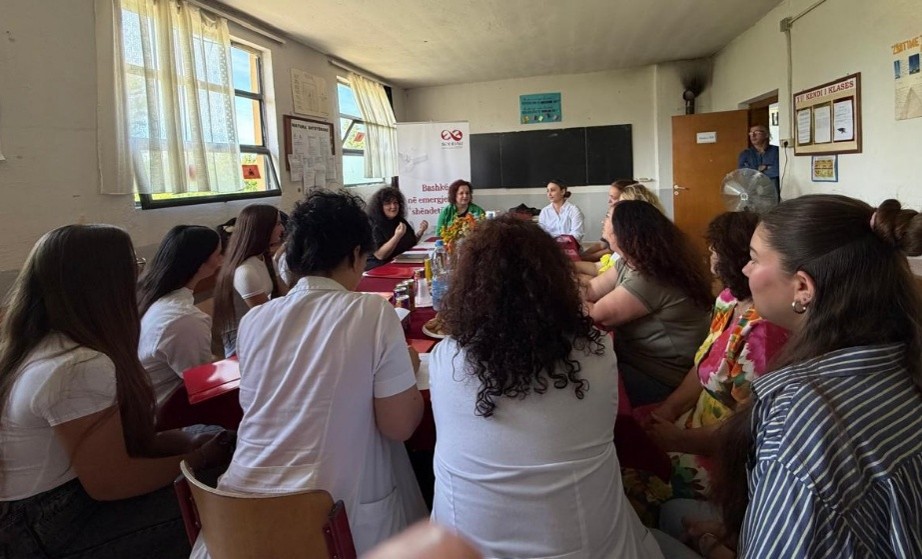
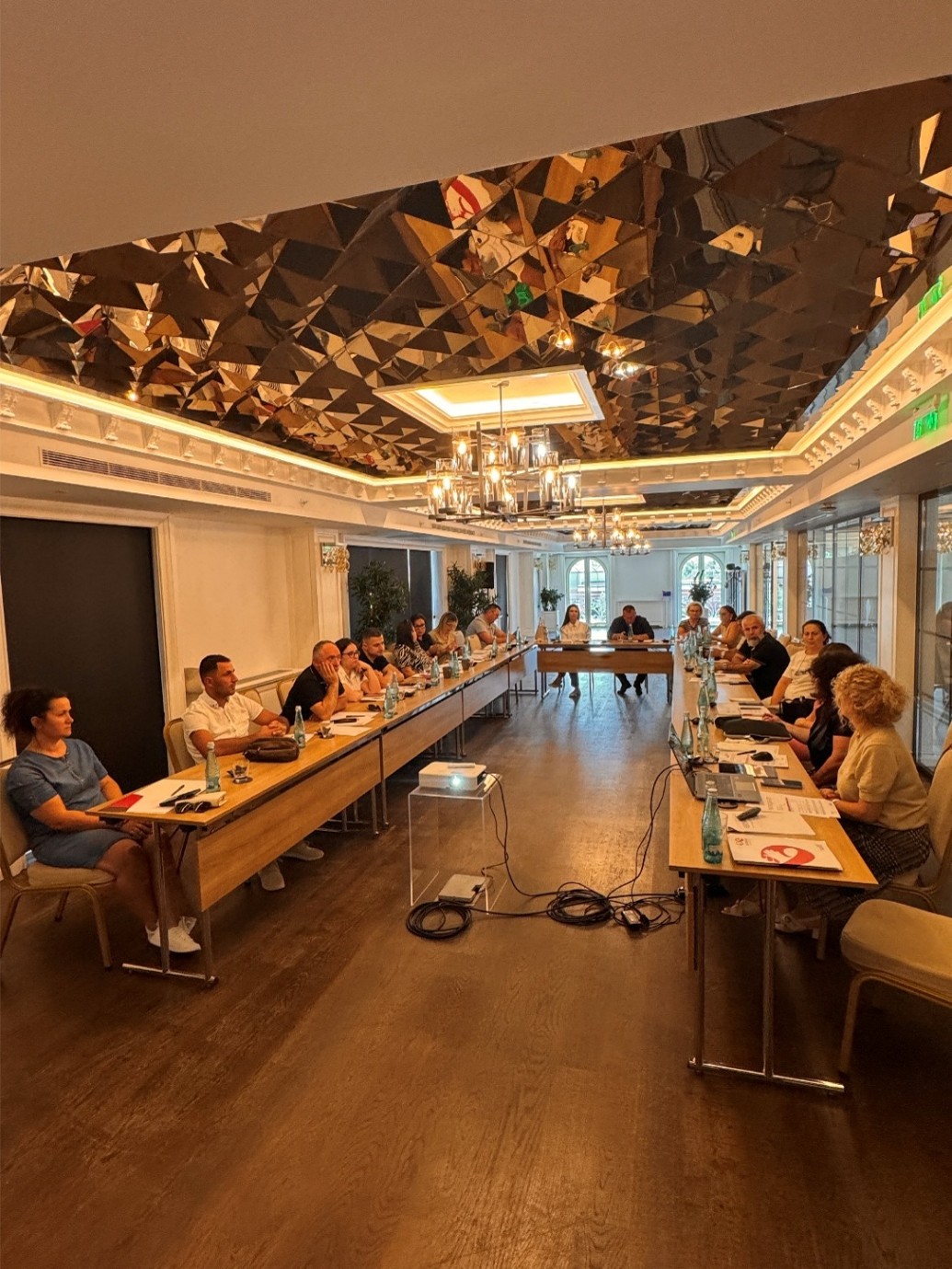
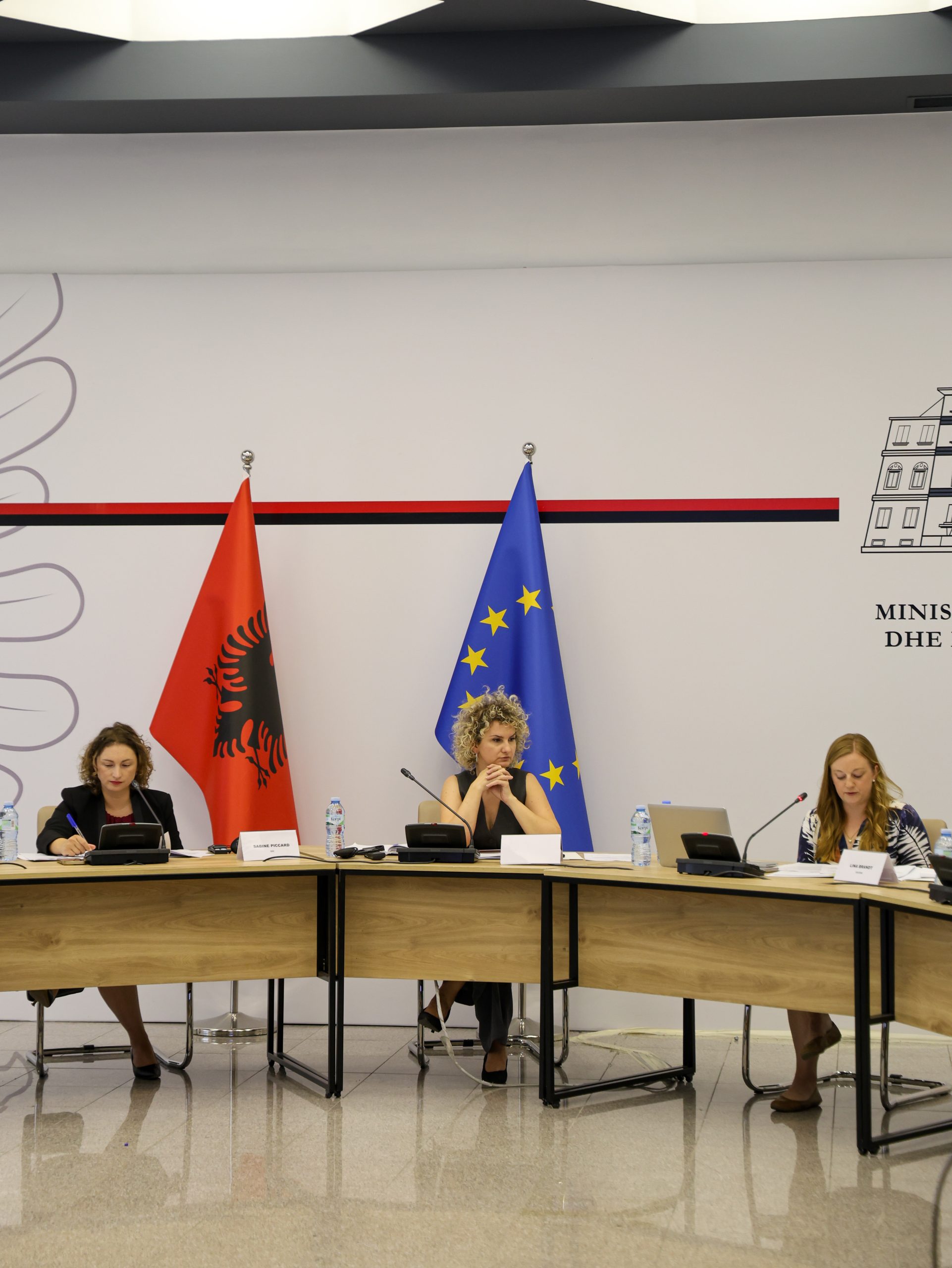
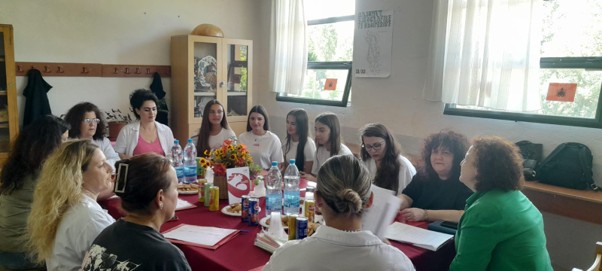
When emergencies happen, protecting lives and maintaining essential services are immediate priorities. But crises can also increase risks that are less visible. Domestic violence and gender-based violence can become more difficult to prevent, identify and address when communities and services are under pressure. Preparing for emergencies therefore also means preparing to protect people from violence by recognising risks early, knowing where support is available and ensuring that communities and institutions are ready to act. This was the focus of a community training and awareness session held at Dajç High School on 16 June 2026, bringing together teachers, students, parents, representatives of the Psychosocial and Child Protection Sector of the Municipality of Shkodër and local organisations.
Recognising risks before they escalate
During an emergency, recognising the early signs of violence can be particularly important. The session provided participants with an opportunity to explore different forms of violence, how to identify warning signs and what protection and referral mechanisms are available for people who may be at risk. Participants were also introduced to the Violence Prevention Manual, providing practical information to support prevention and response. The school setting gave these discussions particular relevance. Teachers, students and parents are part of the same community but may see different sides of a person’s experience. Bringing them together with child protection professionals and local organisations created an opportunity to connect these perspectives and discuss how concerns can be recognised and addressed. As one child protection specialist noted during the discussion, “Schools are often the first place where warning signs are noticed.” Recognising a warning sign, however, is only the beginning. People also need to understand what to do next, where to seek support and how existing protection and referral mechanisms can be activated.
Protection is a shared responsibility
One message emerged clearly from the discussions: preventing and responding to violence cannot be the responsibility of one institution alone. Schools have an important role in creating safe environments for young people. Families are central to their wellbeing and protection. Local institutions and child protection services provide mechanisms for responding when concerns arise, while civil society organisations can contribute knowledge, awareness and community connections. The session created space for these different actors to discuss their respective roles and the importance of coordination between them. Through open conversations and the exchange of experiences, participants reflected not only on procedures and mechanisms but also on the local relationships that make those mechanisms work in practice.
Keeping protection at the centre of preparedness
Community resilience is about more than having plans for what to do when an emergency occurs. It also depends on whether people know how to support one another when circumstances become more difficult. This means strengthening local relationships, improving coordination between services and ensuring that protection remains part of emergency preparedness. For communities, being prepared means knowing how to recognise risks as well as knowing where to turn when someone needs help. It means ensuring that young people, families, schools, institutions and civil society are connected rather than working in isolation. Activities such as the session in Dajç help build these connections before an emergency occurs, when there is time to learn, discuss responsibilities and strengthen cooperation.
The Dajç activity was organised under the SOLIDAR Project and implemented by Different and Equal (Të Ndryshëm dhe të Barabartë) through the SOLIDAR Small Grants Scheme. The SOLIDAR Project is a project by the Swiss Agency for Development and Cooperation (SDC) and implemented by GFA Consulting Group GmbH.