Prepared Communities Respond Better: Strengthening Risk Communication and Community Engagement in Puka
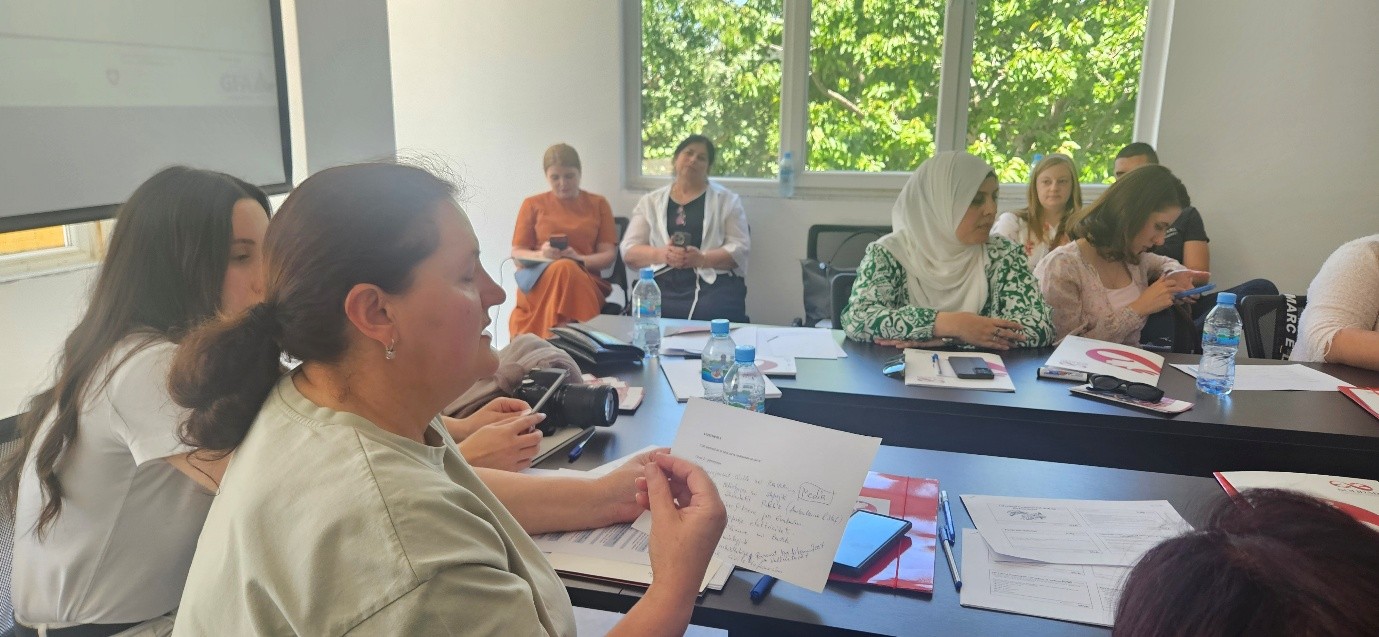
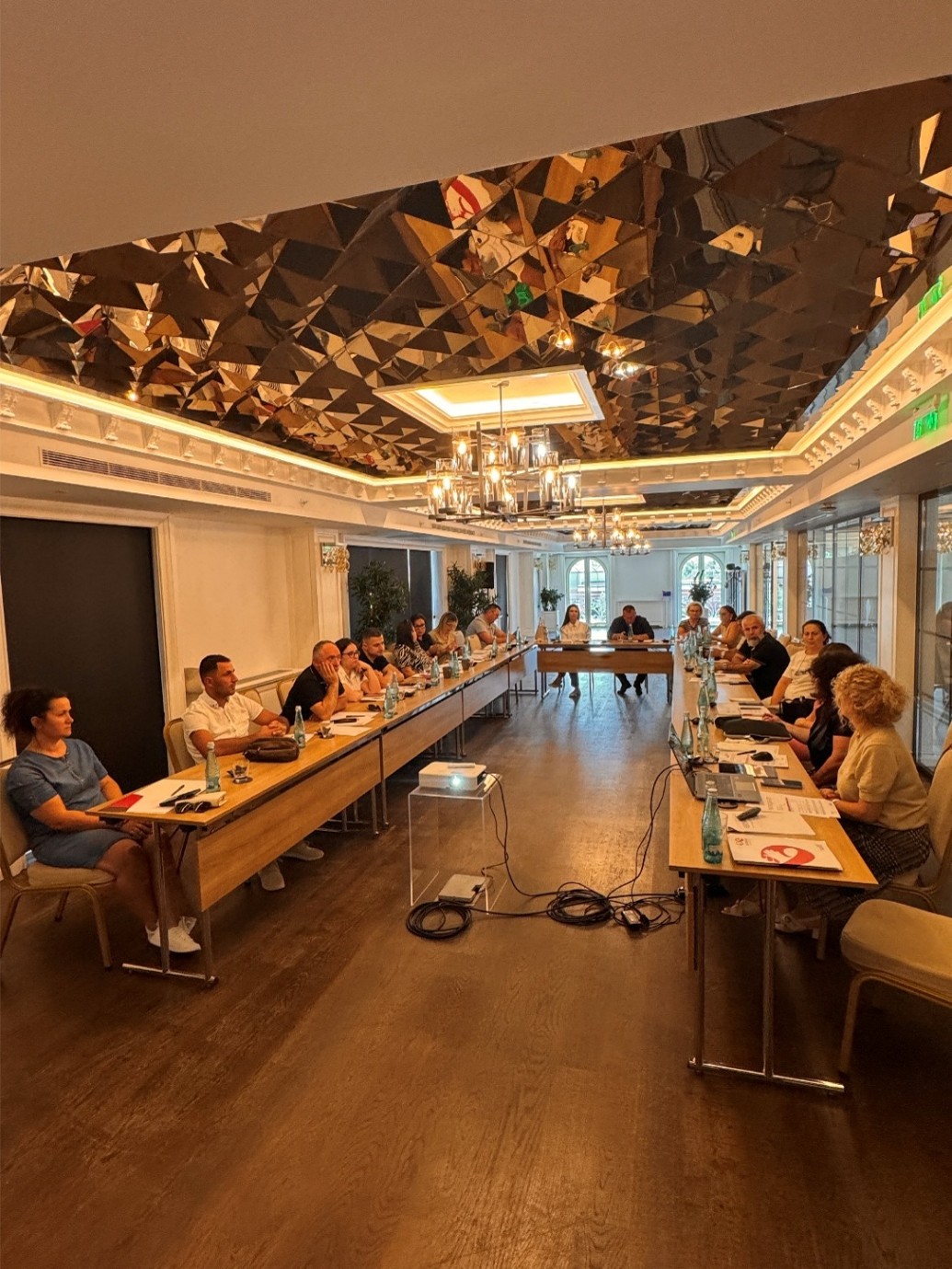
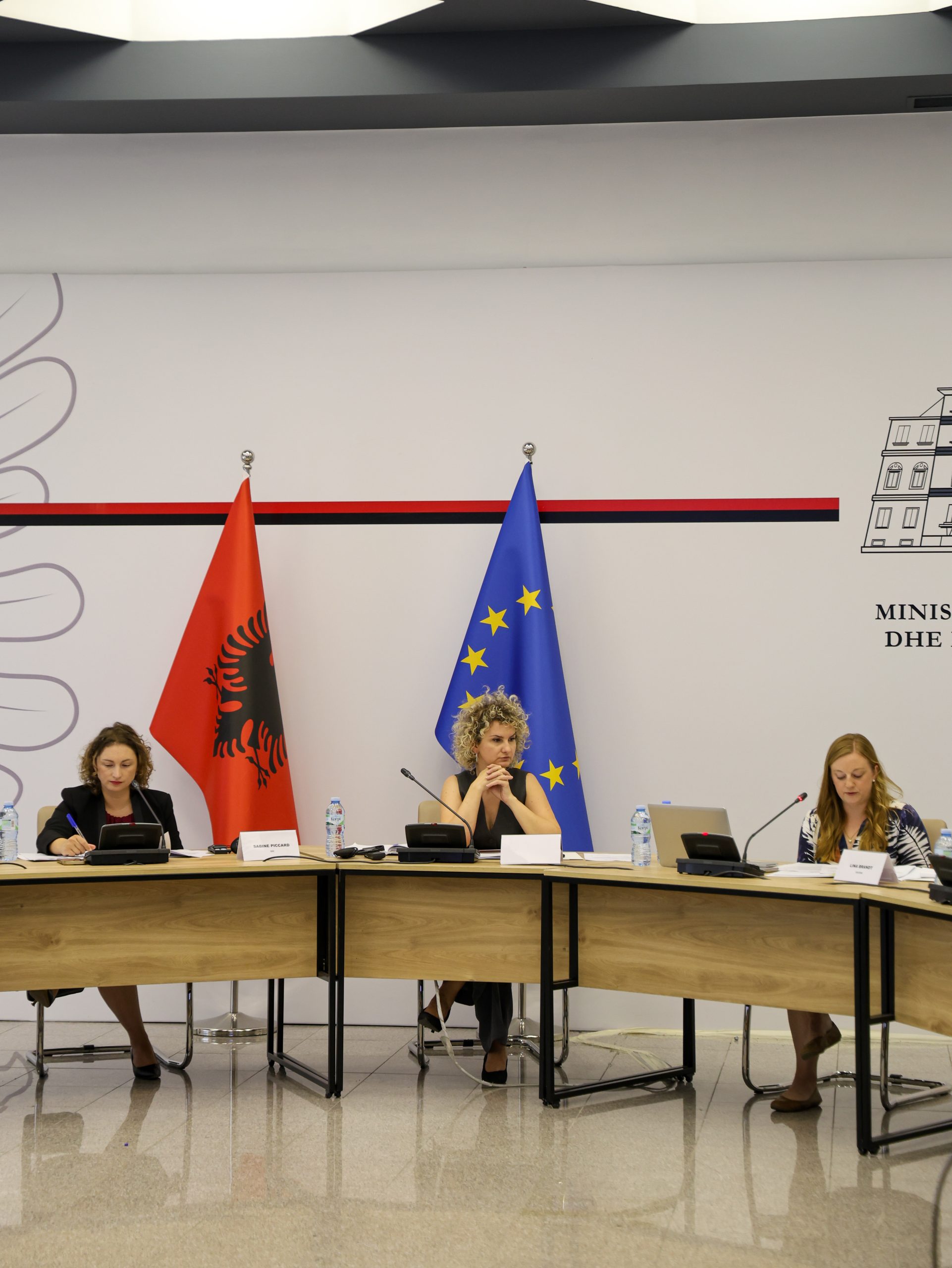
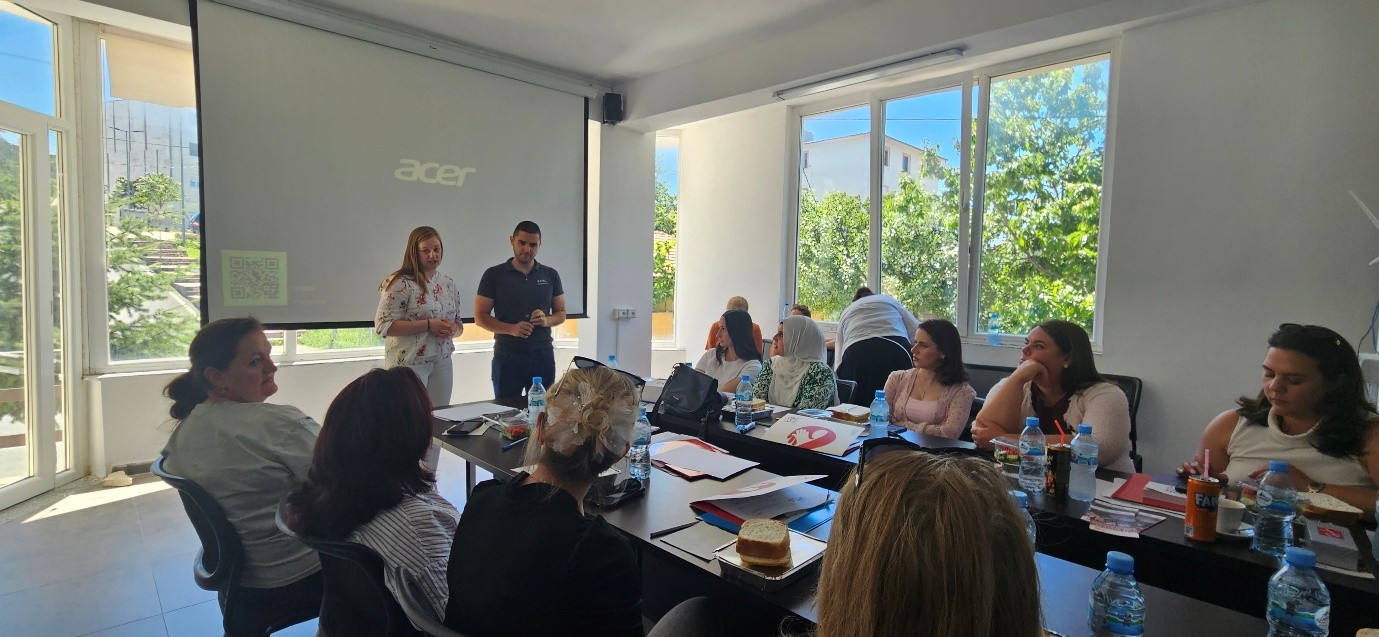
When a health emergency happens, an effective response does not begin only in hospitals or public institutions. It also begins in communities with people who know whom to contact, where to find reliable information, how to support those around them and how to make sure local concerns are heard. This was at the heart of a training held in Puka on 15 June 2026, bringing together community representatives, representatives from civil society organizations, members of the Community Resilience Network, health centres and local institutions to strengthen their capacities in Risk Communication and Community Engagement (RCCE).
Putting communities at the centre
Health emergencies can create uncertainty, fear and a rapid demand for information. In these moments, communicating clearly is essential, but communication alone is not enough. Communities also need opportunities to ask questions, voice concerns and actively contribute to decisions and solutions that affect them. The training therefore focused on the practical role that risk communication and community engagement can play before and during health emergencies. Participants explored how local actors can communicate risks more effectively, engage different groups within the community and build the relationships and trust needed before a crisis occurs. The discussions drew on the participants’ own knowledge and experience in Puka. By bringing community members, health professionals, civil society and local institutions into the same room, the training created space to look at preparedness not as the responsibility of a single institution, but as a shared effort.
Stronger relationships before an emergency
One of the central ideas behind community resilience is simple: relationships built before an emergency make it easier to work together when an emergency happens. Community Resilience Networks provide a platform for these relationships. They connect people and organizations that may have different roles but share the same objective, protecting the health and wellbeing of their community. For Puka, strengthening RCCE capacities also means strengthening these connections. Community representatives can help institutions better understand local concerns and information needs, while health services and local authorities can provide communities with timely and reliable information. Civil society organizations can help reach different groups and ensure that community voices are part of the response. Together, these connections contribute to a local network that is better equipped not only to respond to emergencies, but also to anticipate risks and strengthen preparedness.
From participation to resilience
Community engagement is most effective when people are not treated simply as recipients of information, but as partners in preparedness and response. The Puka training reflected this approach by emphasizing participation, dialogue and collaboration. The aim is to ensure that communities have both the knowledge and the connections they need to play an active role in protecting their own health. The training was organized under the SOLIDAR Project and facilitated by experts from the European Institute of Tirana. The SOLIDAR Project is a project by the Swiss Agency for Development and Cooperation and implemented by GFA Consulting Group GmbH.