From design to reality: SOLIDAR’s online training platform moves into active development
The effort to establish a national online training platform for healthcare professionals in Albania has moved decisively from planning into implementation, marking an important step forward in expanding access to continuous learning for doctors and nurses working at the primary healthcare level. Building on the initial concept and preparatory work done in 2025, the SOLIDAR Project “Together in Health Emergencies” is now actively developing a functional Learning Management System (LMS) that is steadily taking shape through close collaboration with national institutions and technical partners.
Significant progress has been achieved in translating the platform from concept into a working system. An open-source solution, based on Moodle, has been selected as the foundation of the platform, allowing for flexibility, scalability, and alignment with international standards in digital learning. Early in the process, a minimum viable product was developed and presented to stakeholders, providing a first demonstration of how the platform would function in practice and enabling detailed discussions on user needs and system requirements.
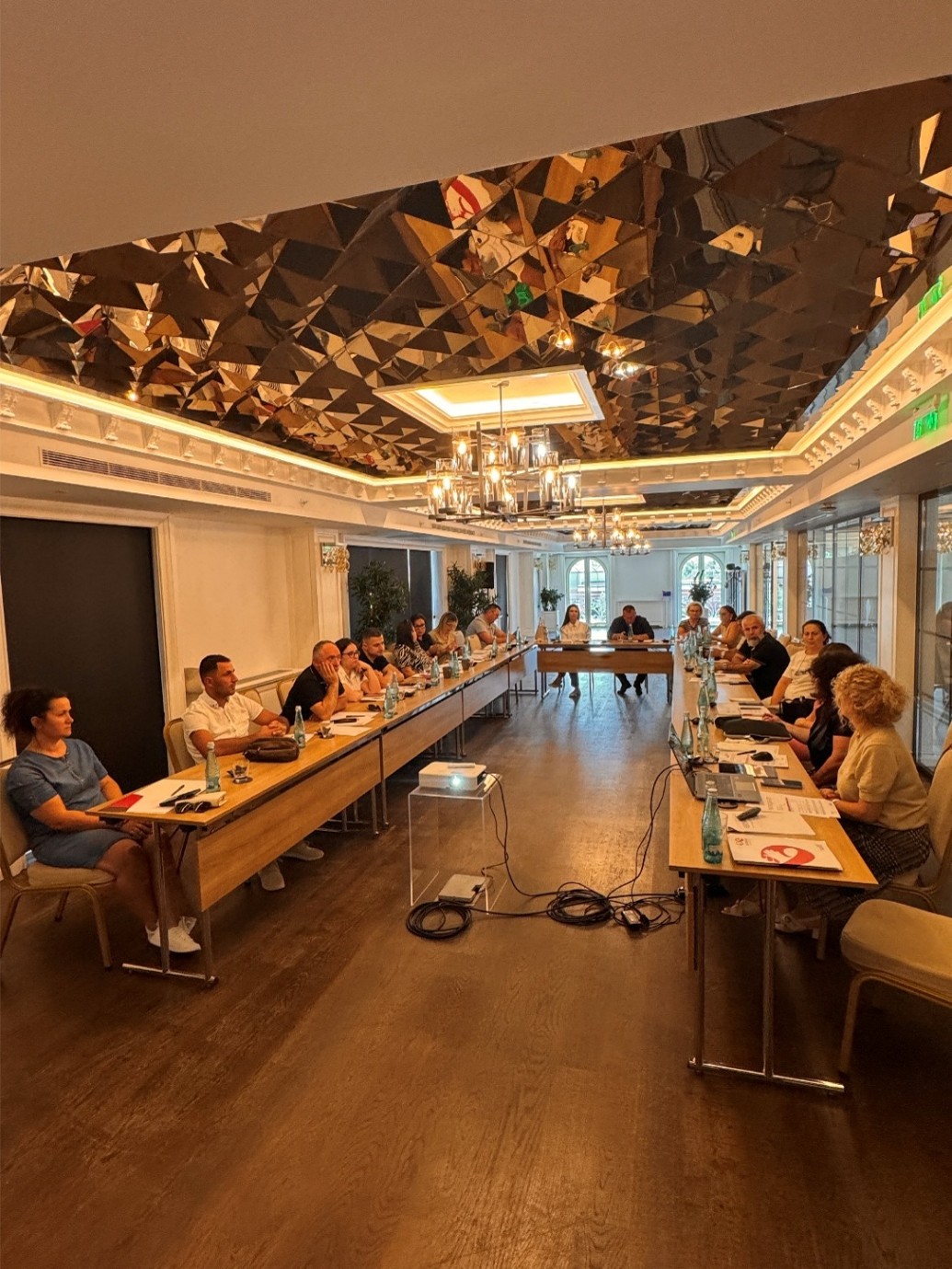
This initial version of the platform has since been refined through a series of technical consultations and working sessions involving the National Medical Emergency Center, subject-matter experts, and the technical development team. These discussions have helped clarify how the platform will support different user roles, including administrators, instructors, and learners, and how it will integrate various modes of training, from self-paced online modules to live virtual sessions and blended learning approaches combining online and in-person components.
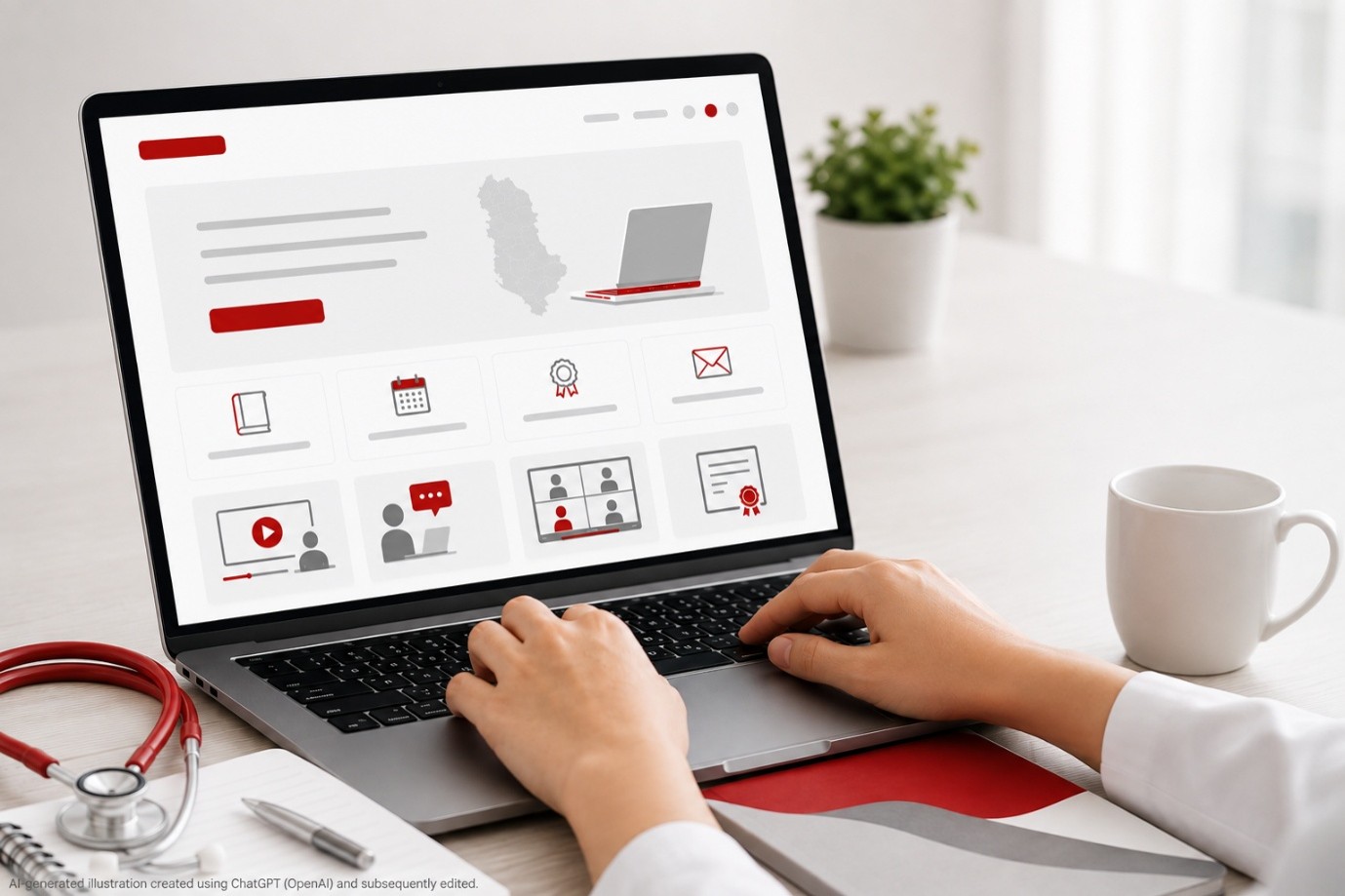
As development has progressed, the platform has entered a more advanced stage of customization. Core system components have been configured, including user registration, course management, and tracking of participation and performance. The platform is being adapted to the Albanian context, with localization into the Albanian language, adjustments to course structures, and the introduction of features tailored to the needs of the health system, such as integration of continuing education credits and certification mechanisms.
Particular attention has been given to ensuring that the platform is practical and easy to use for healthcare professionals with varying levels of digital experience. The design prioritises clear navigation, simple enrolment processes, and structured learning pathways, allowing users to follow courses, complete assessments, and obtain certificates in a straightforward and transparent way. At the same time, the system is being equipped with management tools that will allow the hosting institution and other stakeholders to monitor training participation, track completion rates, and generate data to support planning and decision-making.
The platform is also being developed to reflect real training workflows within the health system. It is anticipated that healthcare professionals are able to register for courses, participate in online or in-person sessions, complete final assessments, and receive digital certificates with verifiable credentials. Features such as QR-coded certificates, automated evaluation tools, and integrated communication between instructors and participants are being incorporated to ensure both functionality and reliability.
At the same time, important work is underway to ensure that the platform meets national and international standards for data protection and security. This includes establishing the necessary legal and technical safeguards for the secure handling of personal data and the protection of user rights, in line with applicable data protection requirements, including GDPR principles. Building these safeguards into the platform from the outset is essential for ensuring user trust, institutional sustainability and its long-term integration into the public health system.
As this work continues, the online training platform is promising to become a practical tool that will complement existing face-to-face training efforts. By offering flexible, accessible, and accredited learning opportunities, it is expected to help reduce disparities in access to training, particularly for healthcare professionals working in remote or underserved areas. Once fully operational, the platform is intended to provide healthcare professionals with new opportunities to update their skills, stay aligned with best practices, and respond more effectively to medical emergencies, wherever they are needed.