Building a Stronger Frontline: SOLIDAR Advances Albania’s Action Plan for Continuing Medical Education in Emergency Care
Behind every successful response to a heart attack in a village clinic, every well-managed allergic reaction in a 24/7 health centre, and every carefully stabilised trauma patient in a small-town hospital, there is one decisive factor: a doctor or nurse who knew exactly what to do, and had the up-to-date training to do it.
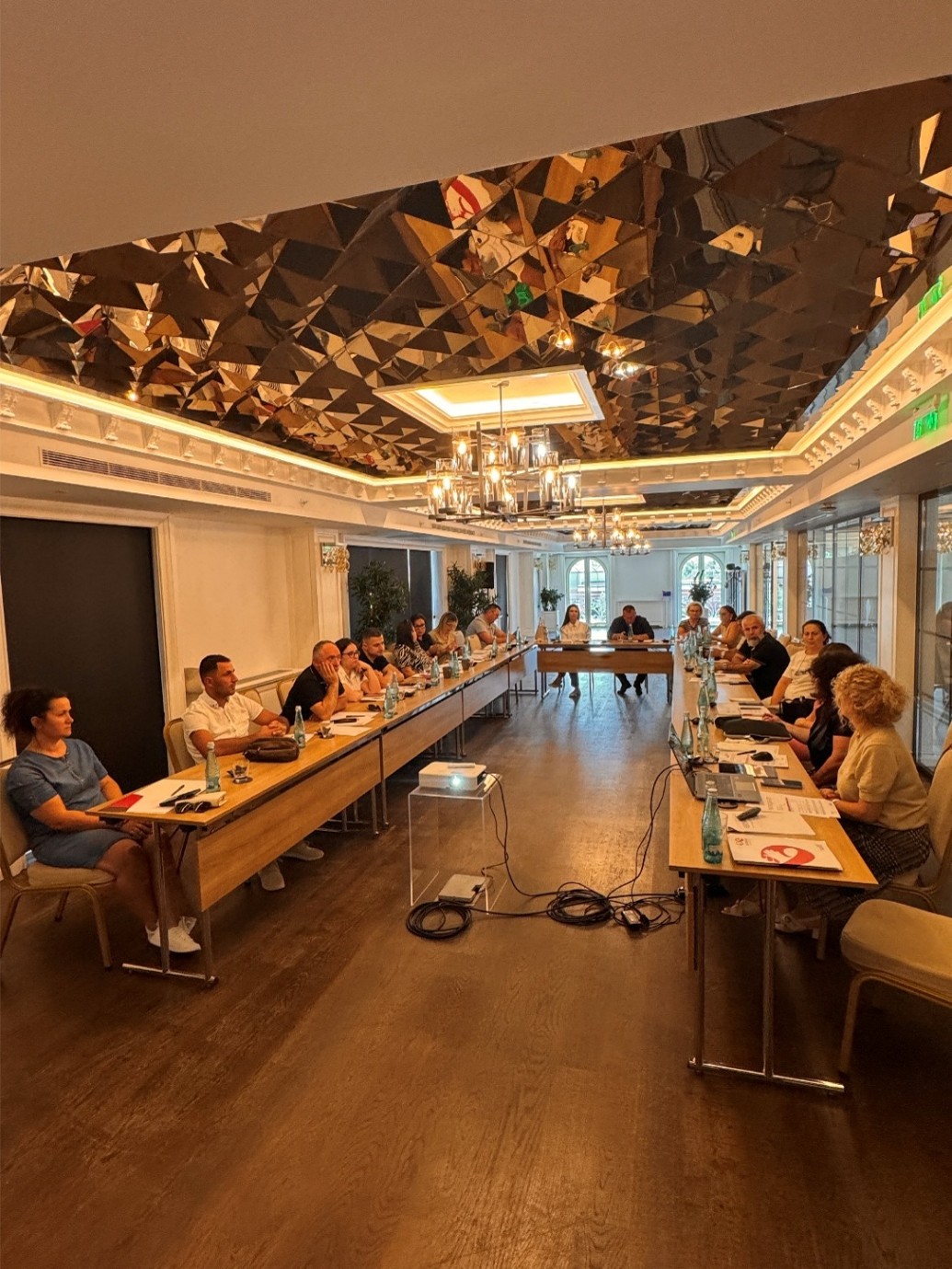
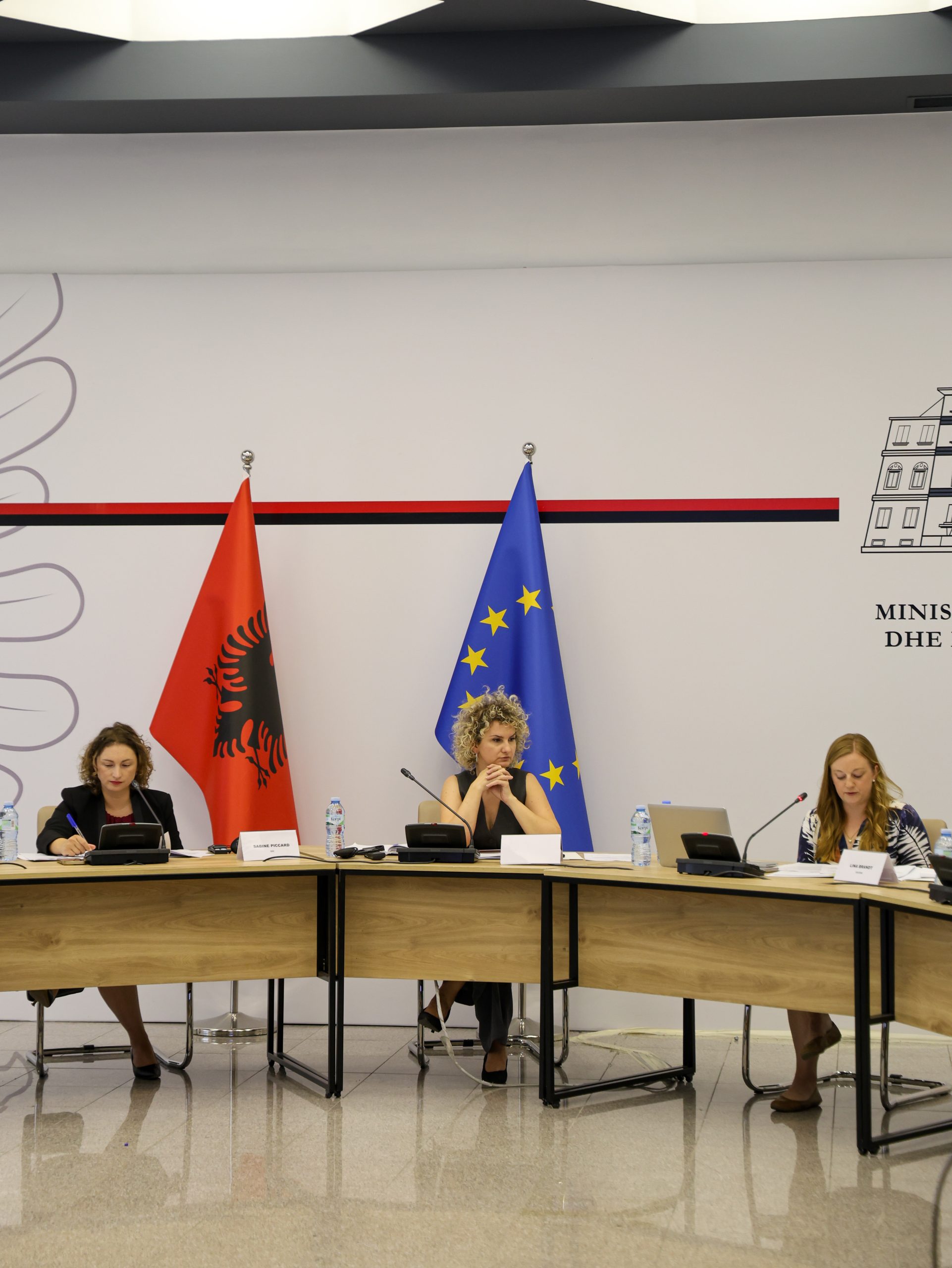
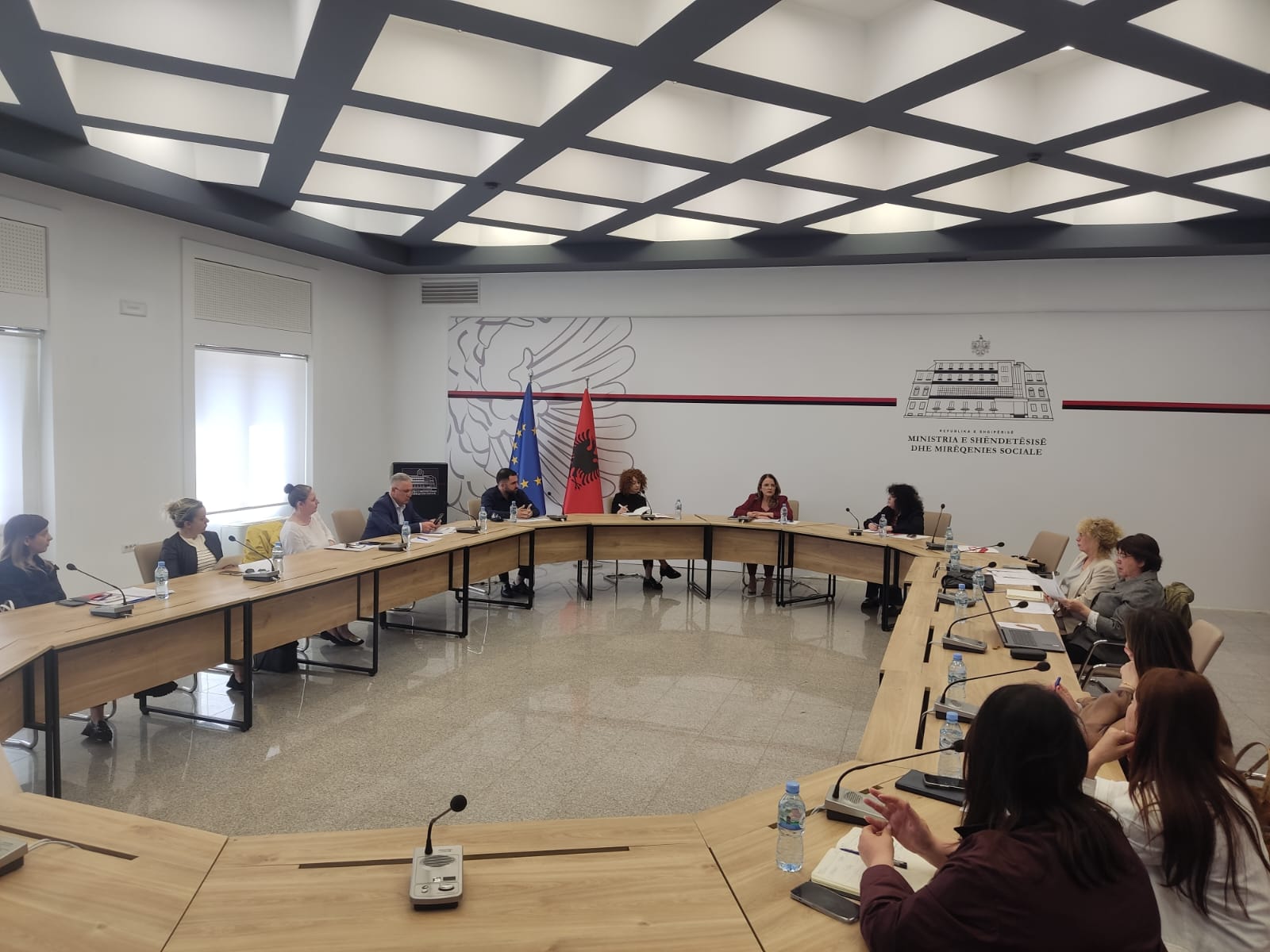
Building that confidence, systematically, equitably, and across the country, is at the heart of the work the SOLIDAR Project advanced today at the Ministry of Health and Social Welfare, where the Working Group convened to review the final draft of the Action Plan for Continuing Medical Education (CME) in the field of medical emergencies at primary healthcare level, together with its costing and budgeting framework.
Why Continuing Medical Education Matters at the Primary Care Level
Primary healthcare professionals are, by design, the first point of contact for the population in any health emergency, from cardiac events and severe asthma episodes to road accidents and obstetric complications. Yet, as Albania’s National Health Strategy 2021–2030 has explicitly recognised under Policy Goal IV – Strengthening the System’s Response to Emergencies, the importance of further reinforcing structured and continuous training pathways for the very workforce that stands at this frontline.
A formal CME framework directly supports this objective. It ensures that every doctor and every nurse working in 24/7 health centres and municipal hospitals has access to regular, accredited, evidence-based training, keeping clinical and operational competencies current as protocols, technologies, and evidence evolve.
CME is not an administrative requirement. It is a patient safety measure.
What the Working Group Discussed
The meeting, facilitated by the SOLIDAR project, focused on two interlinked deliverables.
The final draft of the Action Plan presents the core components, objectives, targets, and key performance indicators that will guide implementation, alongside a discussion on the tools, systems, and approaches that will support its rollout across the country.
The draft costing and budgeting framework outlines the resources required to translate the Action Plan from policy commitment into operational reality, and ensuring sustainability beyond the project’s lifespan.
The Working Group then engaged in structured discussion on the proposed approach, suggested refinements, and reached agreement on the next steps to finalise the development process.
A Long-Term Investment in Quality Primary Healthcare
The Action Plan for CME does not stand alone. It complements other ongoing SOLIDAR investments in the same ecosystem, including the development of a Learning Management System (LMS) for Emergency Medical Services, the digitalisation of emergency care data reporting in 24/7 health centres, and the strengthening of clinical guidelines and protocols at primary care level.
Together, these workstreams give Albania’s emergency medical system something it has historically lacked: an integrated, end-to-end pathway from initial training, to continuing education, to standardised practice, to data-driven monitoring of results.
What Comes Next
Following today’s session, the Working Group agreed on the responsibilities, deadlines, and process to finalise both the Action Plan and its costing and budgeting framework.
The Action Plan is expected to be formally approved by the Government of Albania within 2026, marking a major milestone in the country’s commitment to a structured, sustainable Continuing Medical Education system for emergency care. Once endorsed, the documents will form the backbone of a national CME system designed to be replicable, financeable, and owned by the institutions responsible for its implementation.
For the doctors and nurses who pick up the phone at 3 a.m. in a 24/7 health centre, the impact will be quiet but profound: better preparation, clearer protocols, and the institutional backing to keep their skills sharp throughout their careers.
For the patients they serve, it means one thing: a system that is ready when seconds matter.
The SOLIDAR – Together in Health Emergencies a project of the Swiss Agency for Development and Cooperation (SDC), Embassy of Switzerland in Albania, and implemented by GFA Consulting Group GmbH. Its overall goal is that people in Albania, including the most vulnerable, have improved access to quality emergency care services managed by a more resilient health emergency system at all levels.