When communities learn from communities: What happened when 4 Community Resilience Networks met
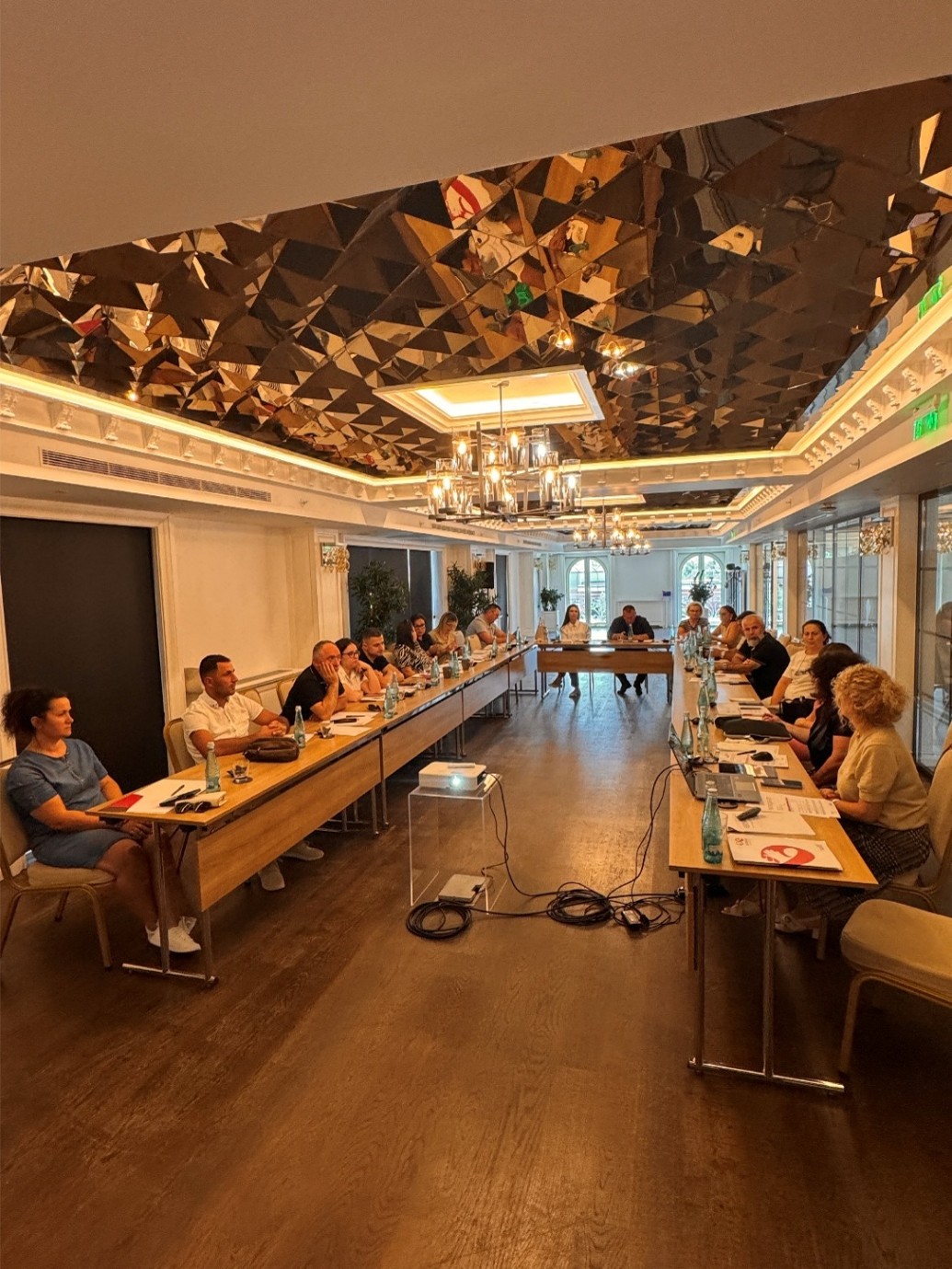
On 24 and 29 April 2025, two newly established Community Resilience Networks (CRNs) in Vorë and Cërrik took an important step in their development: learning directly from the experience of more established networks in Fushë-Krujë and Gramsh.
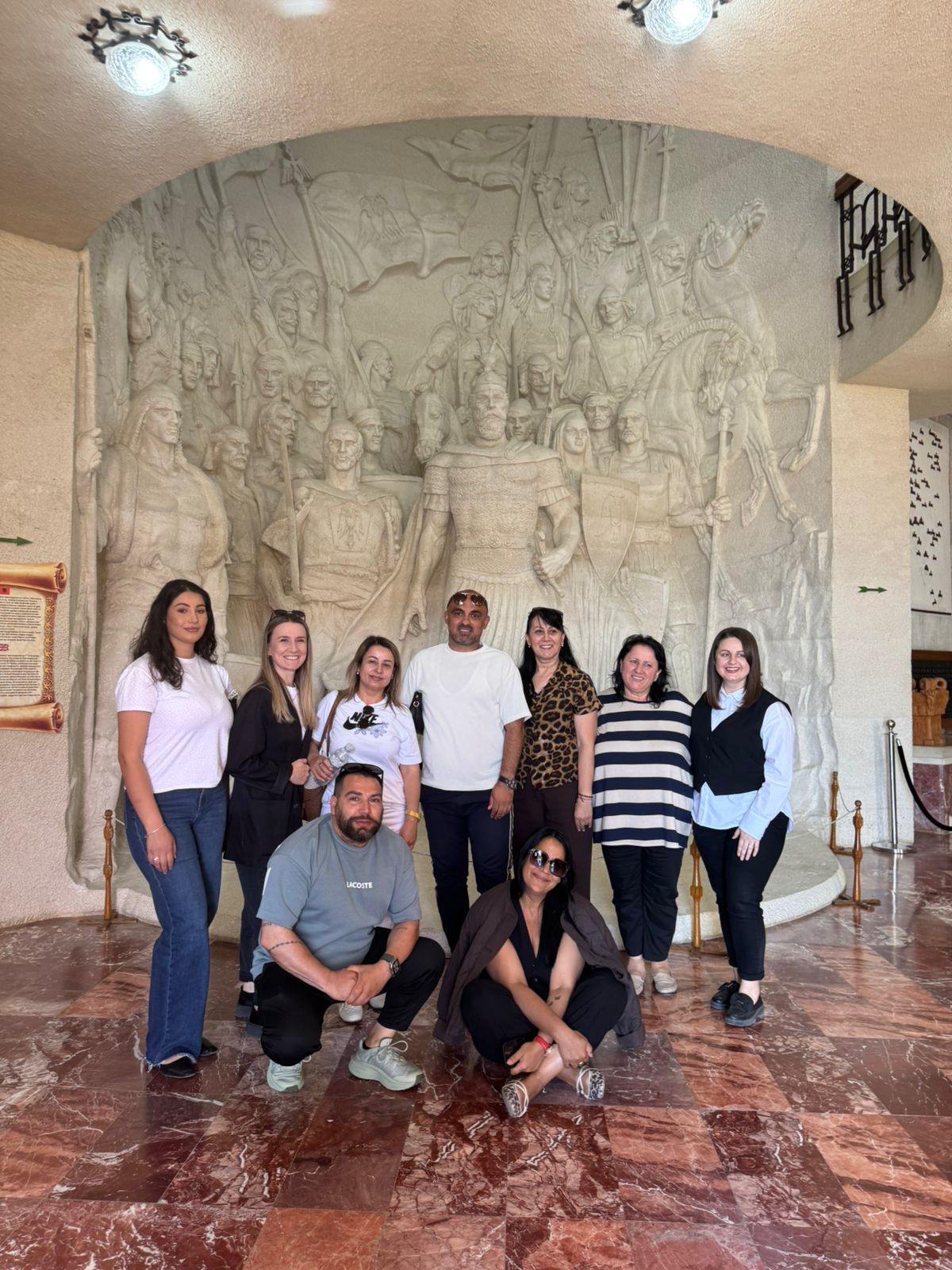
Through two exchange visits, the new networks were able to see how their peers had turned community concerns into practical action, demonstrating how Albanian communities can learn from one another to respond more effectively to health emergencies and strengthen community resilience.
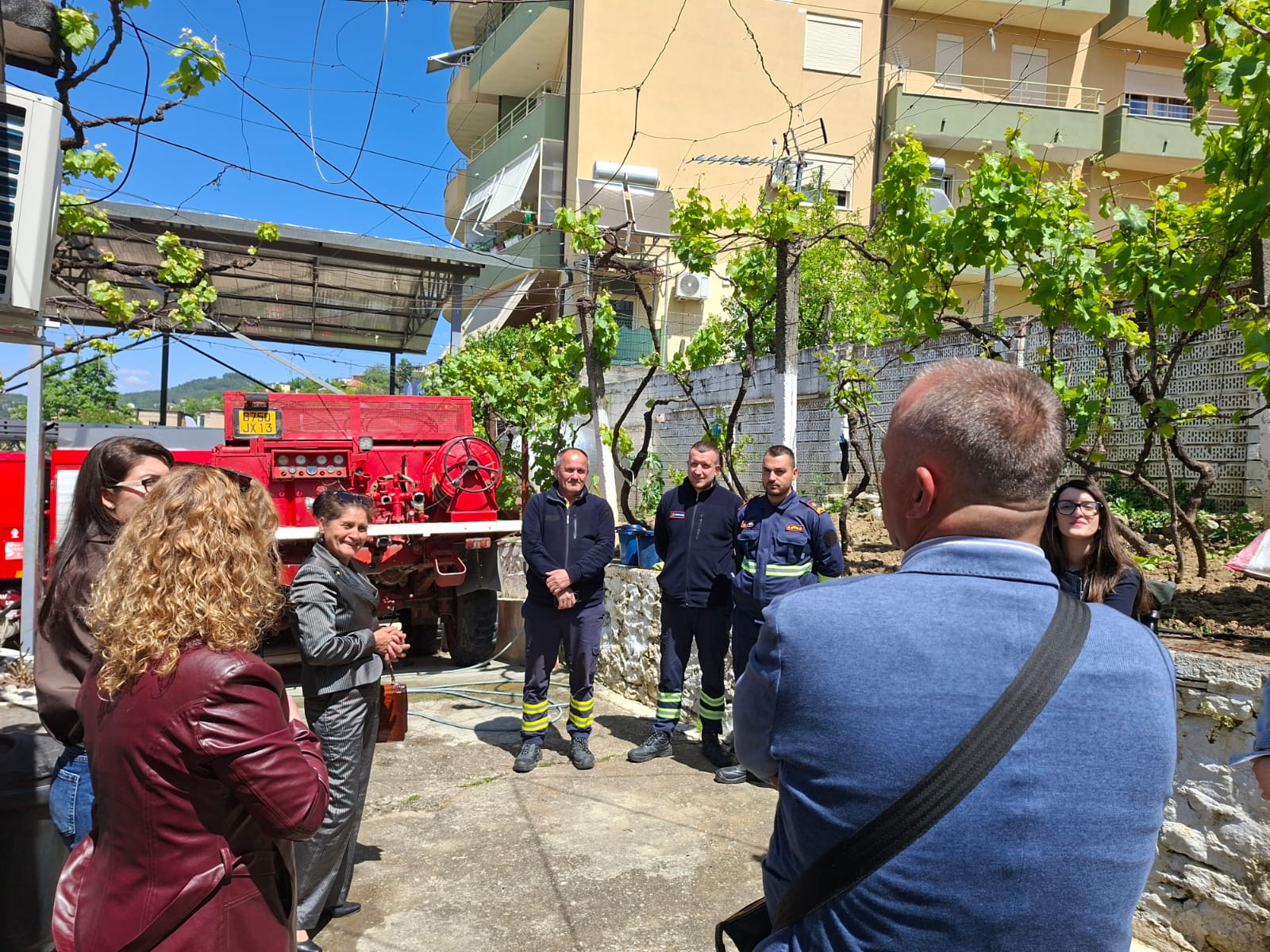
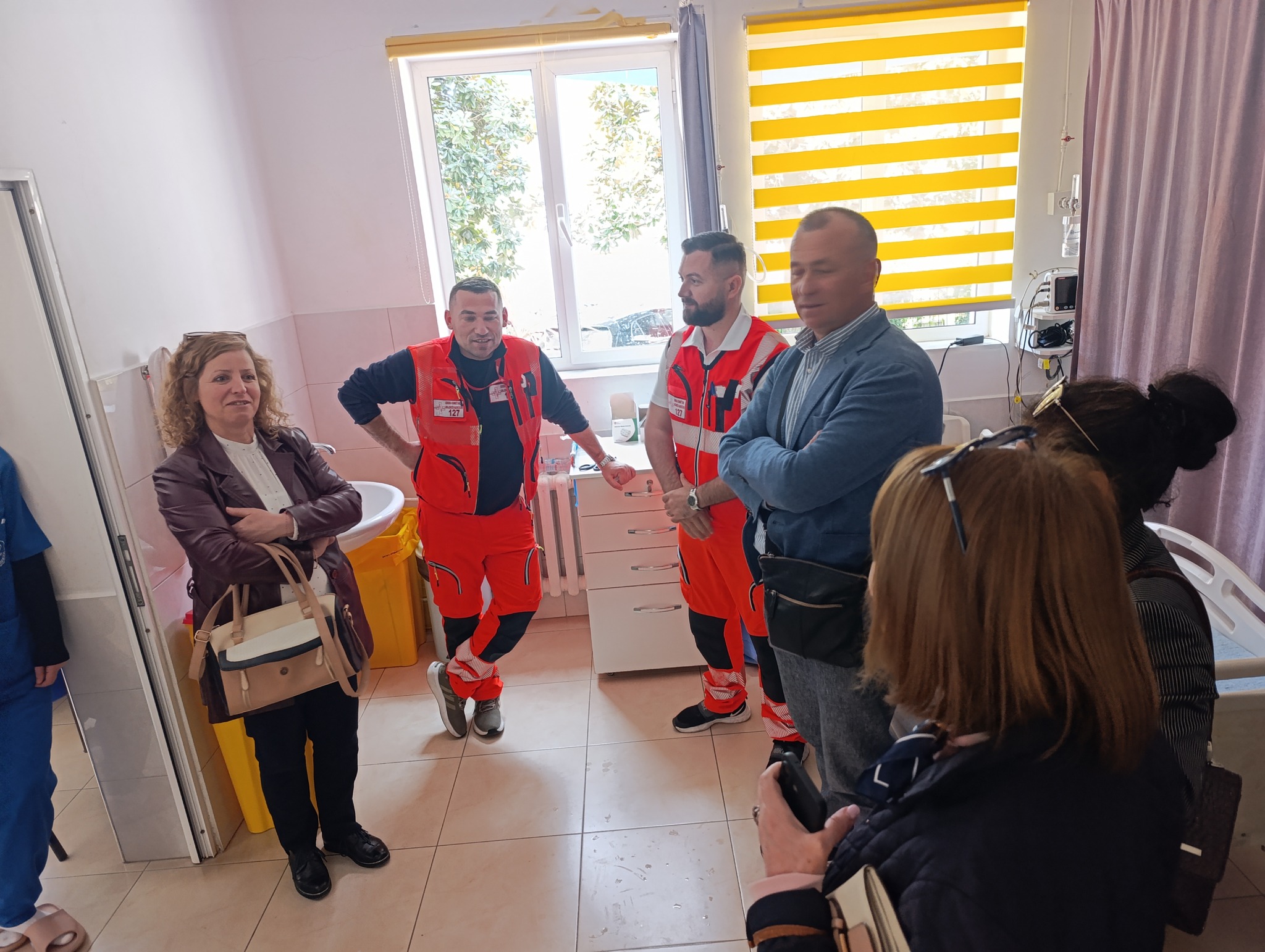
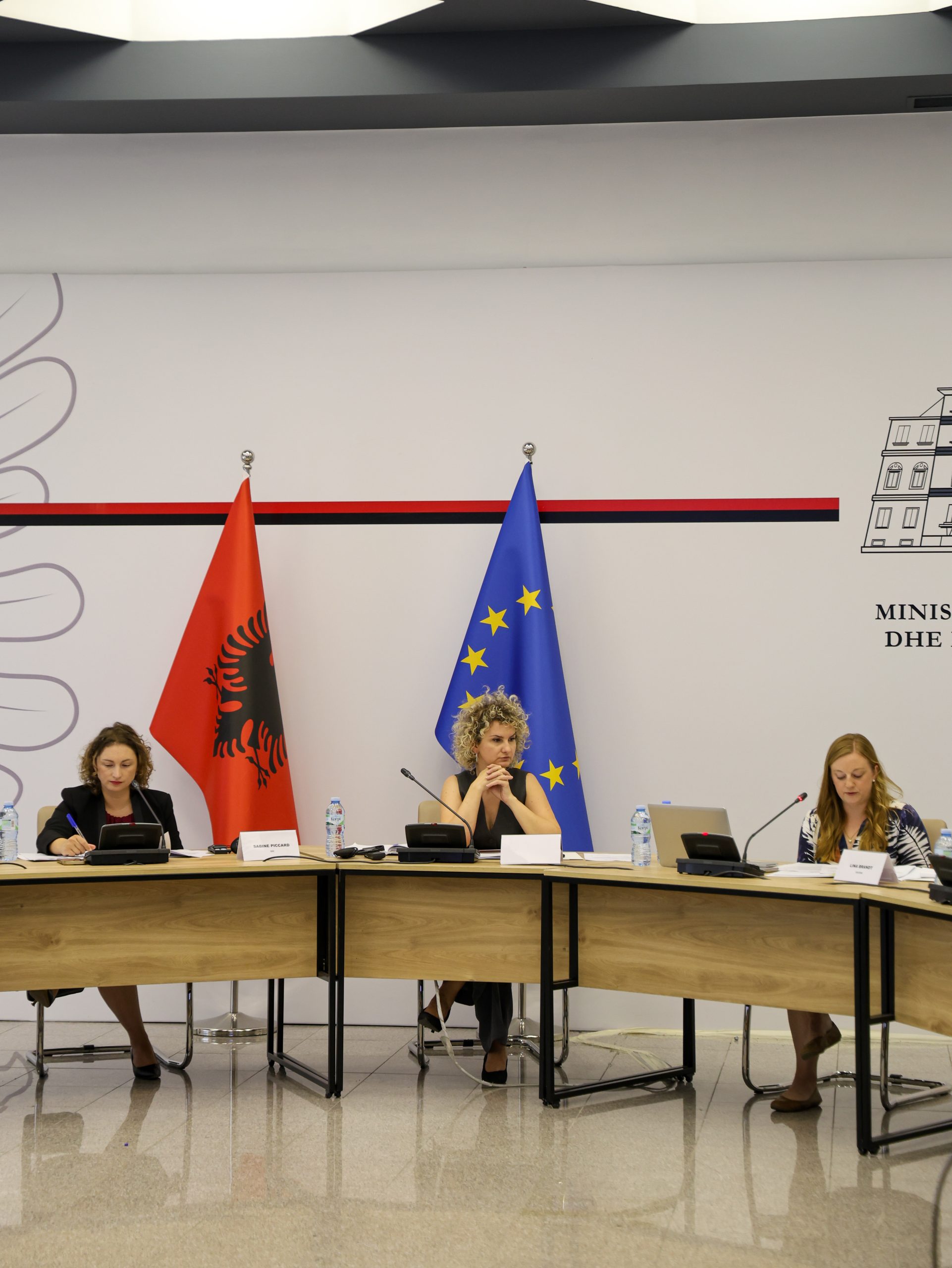
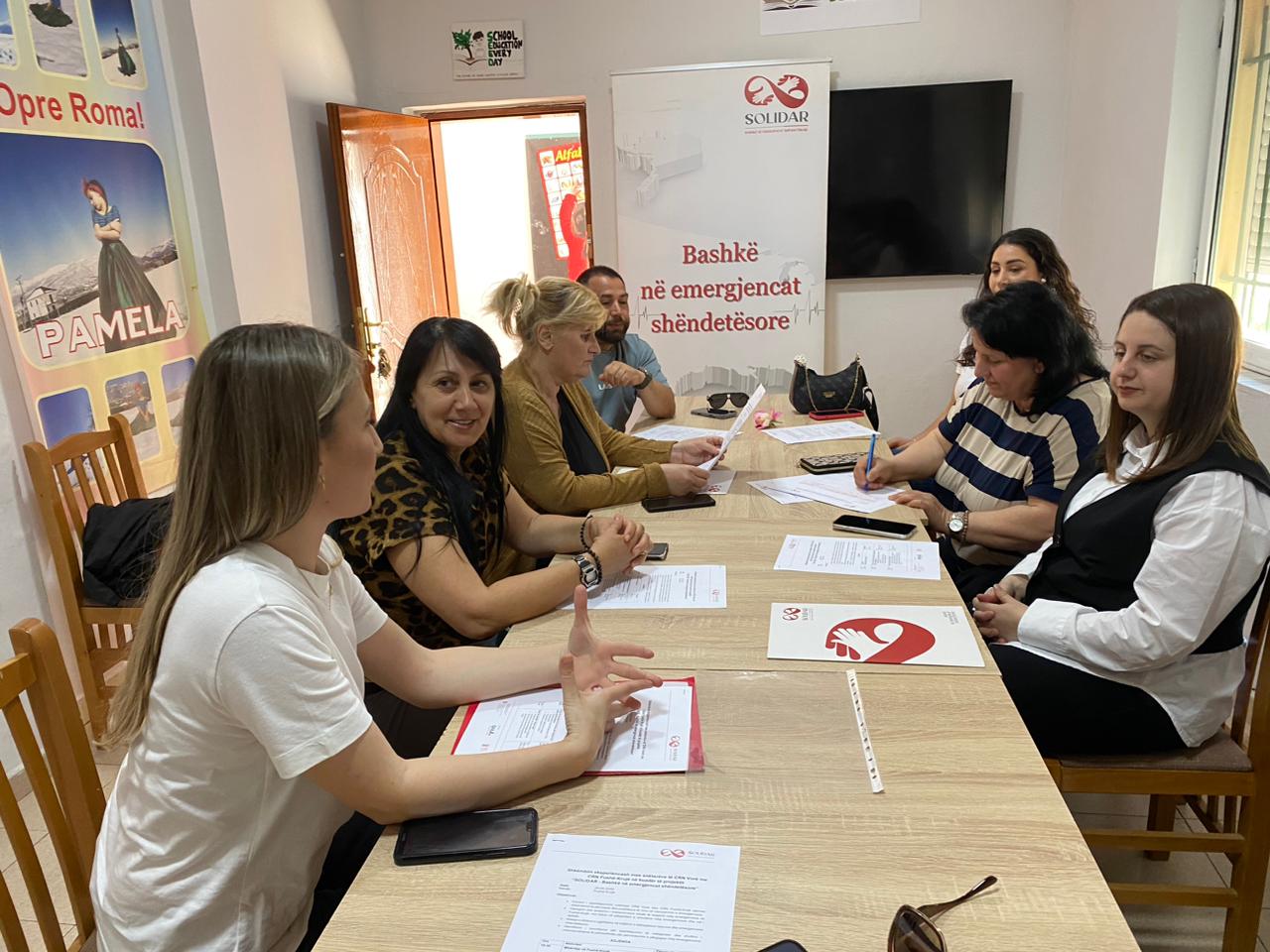
In Fushë-Krujë, members of the newly established Vorë network listen closely as their counterparts describe how they helped improve fire safety in local schools. A few days later, members of the new Cërrik network visit Gramsh, where they learn how community advocacy contributed to warning signs being installed in drowning-risk areas.
What Are Community Resilience Networks?
Community Resilience Networks are locally rooted groups supported by the SOLIDAR project, comprising citizens, health professionals, teachers, volunteers, and institutional representatives, working together to make their communities better prepared for emergencies.
With the new establishment of CRNs in Vorë and Cërrik, there are currently seven active networks across Albania: Vorë, Fushë-Krujë, Cërrik, Gramsh, Përmet, Dajç and Pukë. The networks are supported under SOLIDAR, a project of the Swiss Agency for Development and Cooperation.
Each network identifies concrete safety gaps in its own community, from family doctor shortages to ambulance access to drowning-risk zones and advocates for practical improvements in communities and public institutions.
For the newly established networks in Vorë and Cërrik, the experience already accumulated by other CRNs provides an important resource. Rather than starting from zero, they can learn from approaches that have already been tested in other communities and adapt them to their own local context.
What Vorë learned from Fushë-Krujë: Fire safety in schools
The Fushë-Krujë network has worked extensively with school directors and local authorities to improve fire safety in school buildings. Members of the Vorë network came away with a concrete model and with practical ideas for starting a similar process in their own town.
The questions on the table were real: How do you open the conversation with school principals? Which institutions need to be at the table? What resistance can you expect, and how do you work through it?
What Cërrik learned from Gramsh: Advocacy that delivers
In Gramsh, coordination between the community network and local institutions led to the installation of warning signs in drowning-risk zones, a simple intervention that can save lives.
For the Cërrik network, this was a direct case study: identifying a concrete safety gap, building the case to solve it, and following an institutional decision through to implementation.
Shared challenges. Shared solutions.
While each community has its own context, the challenges are often the same:
- limited access to ambulances
- stretched resources in local health centres
- difficulties keeping volunteers engaged
- complex institutional coordination during emergencies
The exchange visits were designed precisely for this: so that no network has to start from zero when another has already found a path forward
Why this matters for Albania’s health system?
Albania’s National Health Strategy 2021–2030 identifies community engagement as a pillar of emergency response. But for this to become reality, communities need practical tools, not just policy directives.
Community Resilience Networks are the bridge between citizens’ real needs and the institutions meant to address them. When these networks learn from one another, the country’s entire emergency response architecture grows stronger.
What Comes Next
April’s exchange visits are only the beginning of a wider cycle of peer learning that SOLIDAR is fostering across all seven active networks. Each meeting brings a new model, a new idea, a new connection between communities asking the same question: How do we keep our community safe when the unexpected arrives at our door?
Because what works in one community shouldn’t stop there.