From training to impact: SOLIDAR completes advanced emergency care training program for Albania’s primary healthcare workforce
When a life-threatening emergency occurs, the ability of frontline healthcare professionals to recognise the situation, make rapid decisions and act effectively can make a critical difference. Strengthening these skills has been at the heart of SOLIDAR’s advanced emergency medical training programme for doctors and nurses working across Albania’s primary healthcare system.
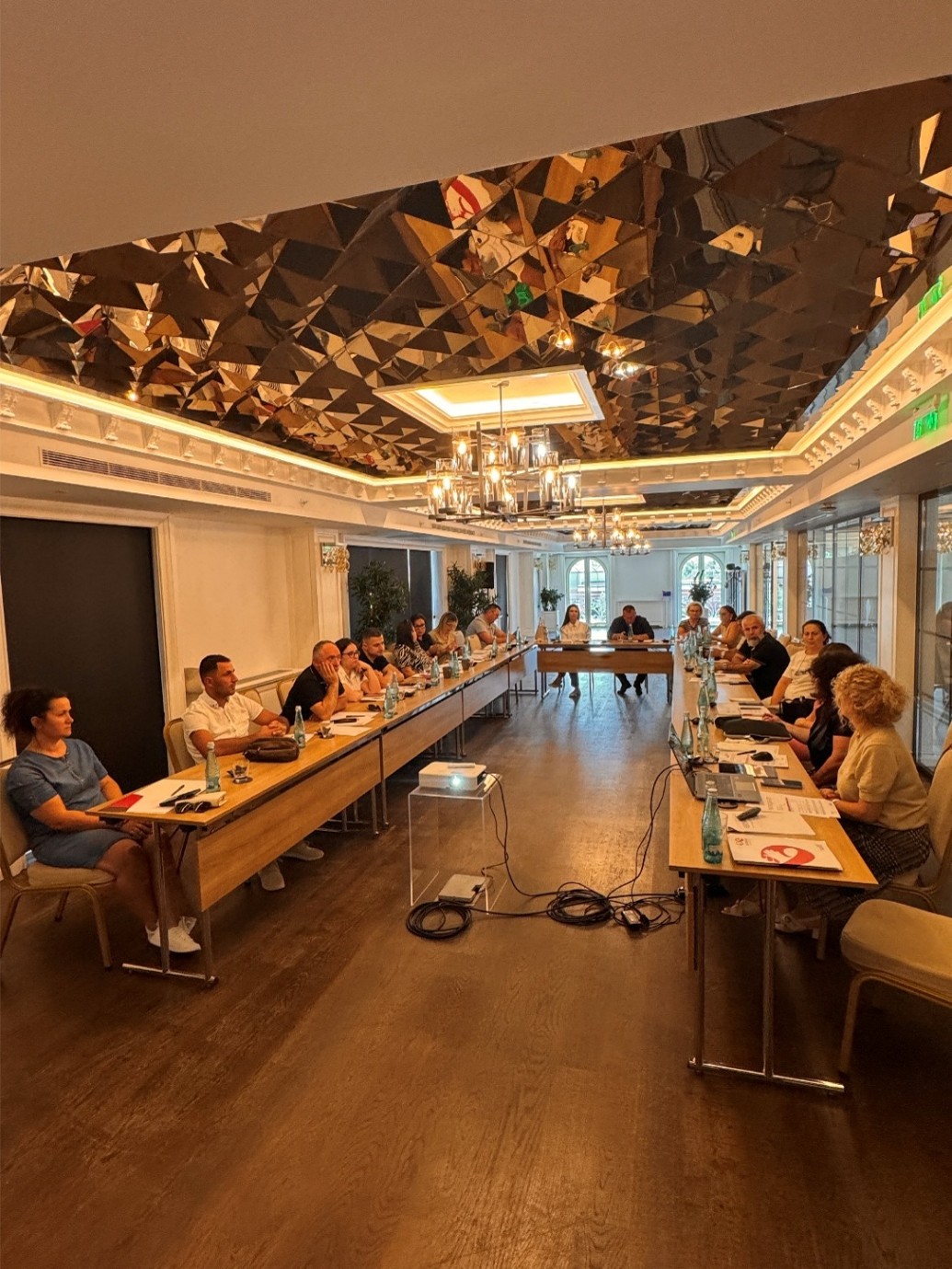
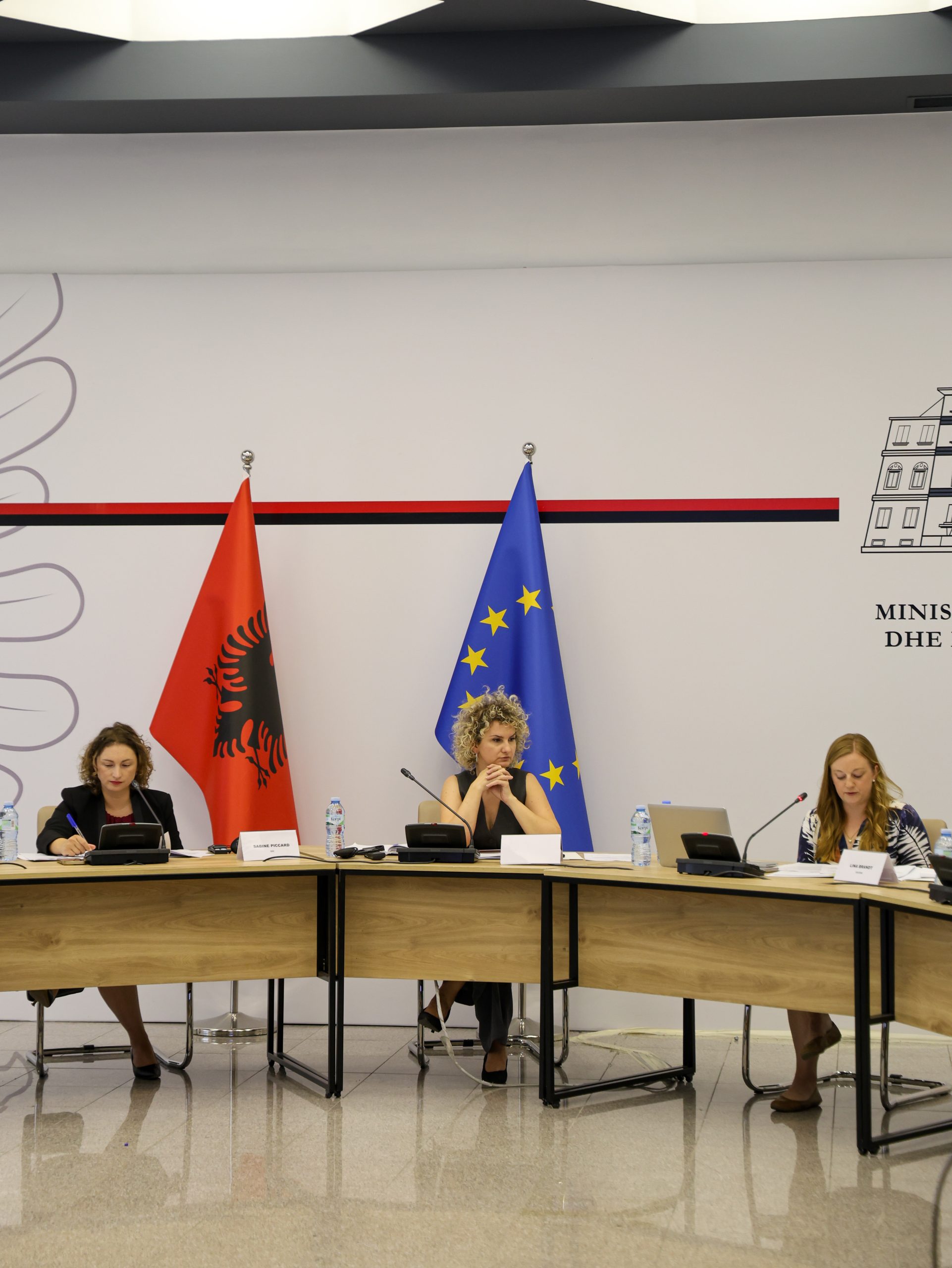
Implemented between May and December 2025 at the EMS Academy in Peza e Madhe, Tirana, the programme brought together 142 doctors and nurses from 24/7 Health Centres and Municipality Hospitals across SOLIDAR’s target areas. Over nine intensive training rounds, participants developed advanced emergency care competencies and obtained internationally recognised certification.
The programme was delivered in partnership with the Swiss Foundation for Innovation (SFI) and centred on two internationally accredited courses: Immediate Life Support (ILS) and International Trauma Life Support (ITLS). Preparatory modules helped establish a common foundation before participants progressed to more advanced training.
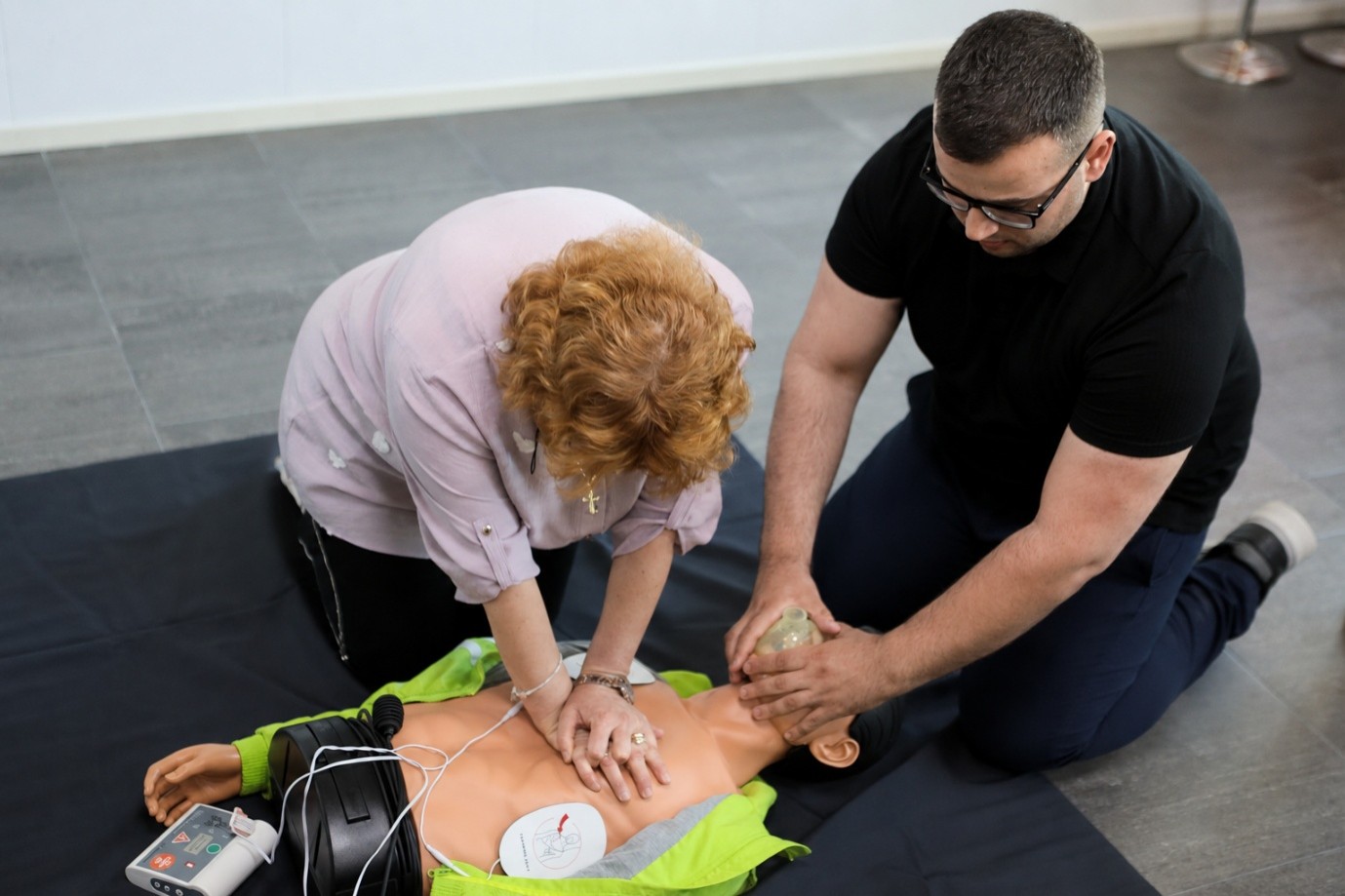
A strong emphasis was placed on hands-on learning. Participants engaged in simulation-based scenarios that mirrored real-life emergencies encountered in primary care settings, from cardiac arrest and respiratory failure to complex trauma cases. These exercises, supported by modern training equipment and experienced instructors, allowed participants to practice rapid decision-making, teamwork, and coordinated response, skills that are essential when managing emergencies where time is critical.
The program also brought together doctors and nurses from different regions and facilities, creating opportunities for peer learning and exchanging experience. This multidisciplinary environment reflected the realities of emergency care delivery and reinforced collaboration between professional groups, which is key to effective patient management in urgent situations.
By the end of the programme, participants demonstrated improvements in both knowledge and practical performance, particularly in managing cardiac and trauma emergencies. In addition to their international certification, participants received continuing medical education credits, contributing to their ongoing professional development.
This advanced training program builds on the foundation established through SOLIDAR’s earlier Basic Life Support and First Aid (BLS-FA) training, forming a structured progression from essential life-saving interventions to more complex emergency care competencies. Together, these efforts are helping to equip primary healthcare professionals with the skills and confidence needed to act quickly and effectively in critical situations.
As the program concludes, its impact is expected to extend beyond the training setting. The training grounded on internationally recognized protocols, combined with strengthened clinical skills, creates a basis for improved emergency care practices within health facilities. Continued efforts, including refresher training and practical application in daily work, will be key to sustaining these gains over time.