A New Wave of Innovation: SOLIDAR Innovation Labs Bring Fresh Ideas to Emergency Healthcare in Albania
A unique and inspiring journey is underway in Albania as part of the SOLIDAR Innovation Labs, an initiative designed to bring fresh thinking, new ideas, and community voices into the heart of emergency healthcare.
Launched under the SOLIDAR Project “Together in Health Emergencies” a project by the Swiss Agency for Development and Cooperation (SDC) and implemented by GFA Consulting Group GmbH, in partnership with Together for Life (TFL) for the component on community resilience, the initiative aims to strengthen how Albania responds to public health emergencies, with a special focus on making emergency care more accessible, inclusive, and effective for everyone, especially vulnerable groups.
Starting with a Spark: The Anchoring Workshop
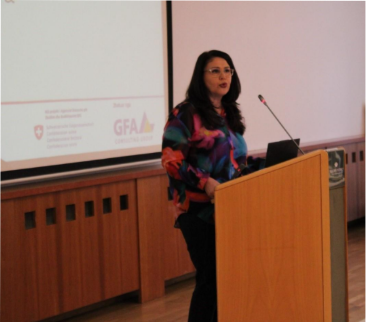
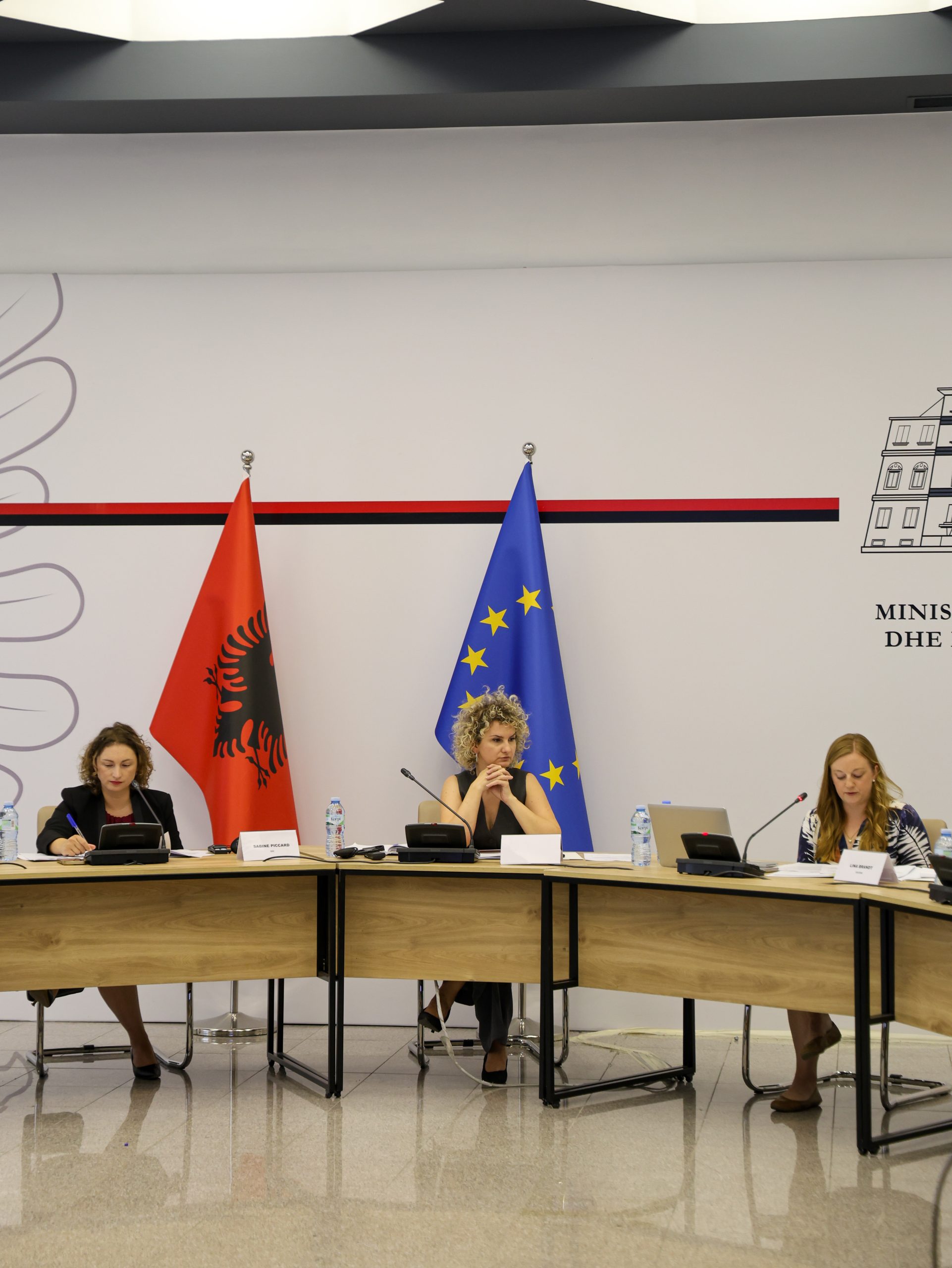
The journey officially began on 30 April 2025 with an Anchoring Workshop in Tirana that brought together 36 stakeholders from key health institutions including public sector representatives, healthcare professionals, civil society organisations, and patient advocates.
The goal? To kick-start a collaborative process where everyone’s voice matters and where innovation is built from the ground up.
During the workshop, participants explored the biggest challenges in emergency care, learned about Design Thinking as a tool for problem-solving, and agreed on key areas where new solutions are most needed. The event ended with a strong sense of commitment and excitement for what’s to come.
Digging Deeper: Workshop 1 — Understanding the System
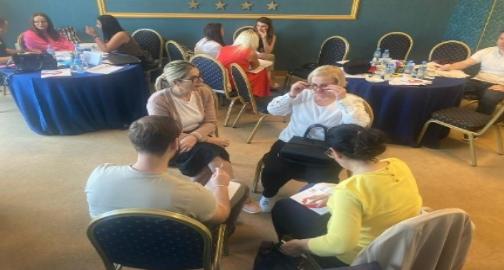
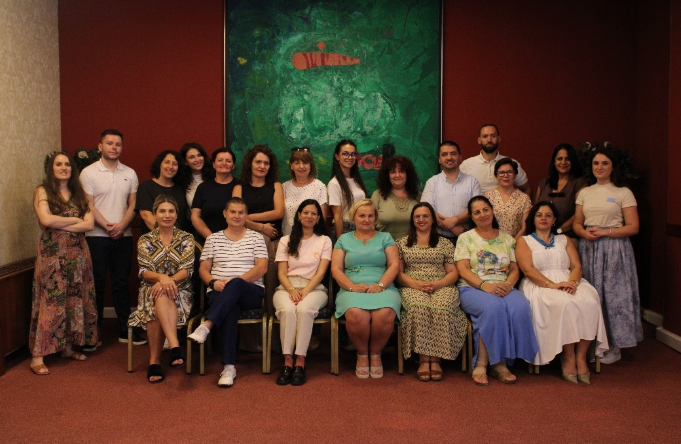
In early June, the first of three Innovation Labs took place in Tirana. For four days, 19 participants worked closely together, stepping into the shoes of citizens and patients to better understand what really happens during a health emergency in Albania.
Using a people-first approach, the participants interviewed real citizens, mapped out how the emergency healthcare system works (and where it doesn’t), and identified some of the most urgent problems that need solving.
By the end of the workshop, three collaborative teams had formed, each focusing on one of the critical challenges uncovered during their research:
Group 1 — “Ura” focused on how to improve communication and coordination between emergency services, especially in high-pressure situations where fast decisions are needed.
Group 2 — “Human-in-Focus” looked into the barriers faced by people with disabilities when trying to access emergency care – everything from complicated paperwork to lack of recognition and support.
Group 3 — “Patient Voice #1” explored how to make the referral process easier and more human, especially for elderly people and those with chronic health conditions, who often struggle to navigate the system.
These teams are now developing solutions that are not only innovative but grounded in the real experiences of the people who need care the most.
Onward to Workshop 2: From Ideas to Action
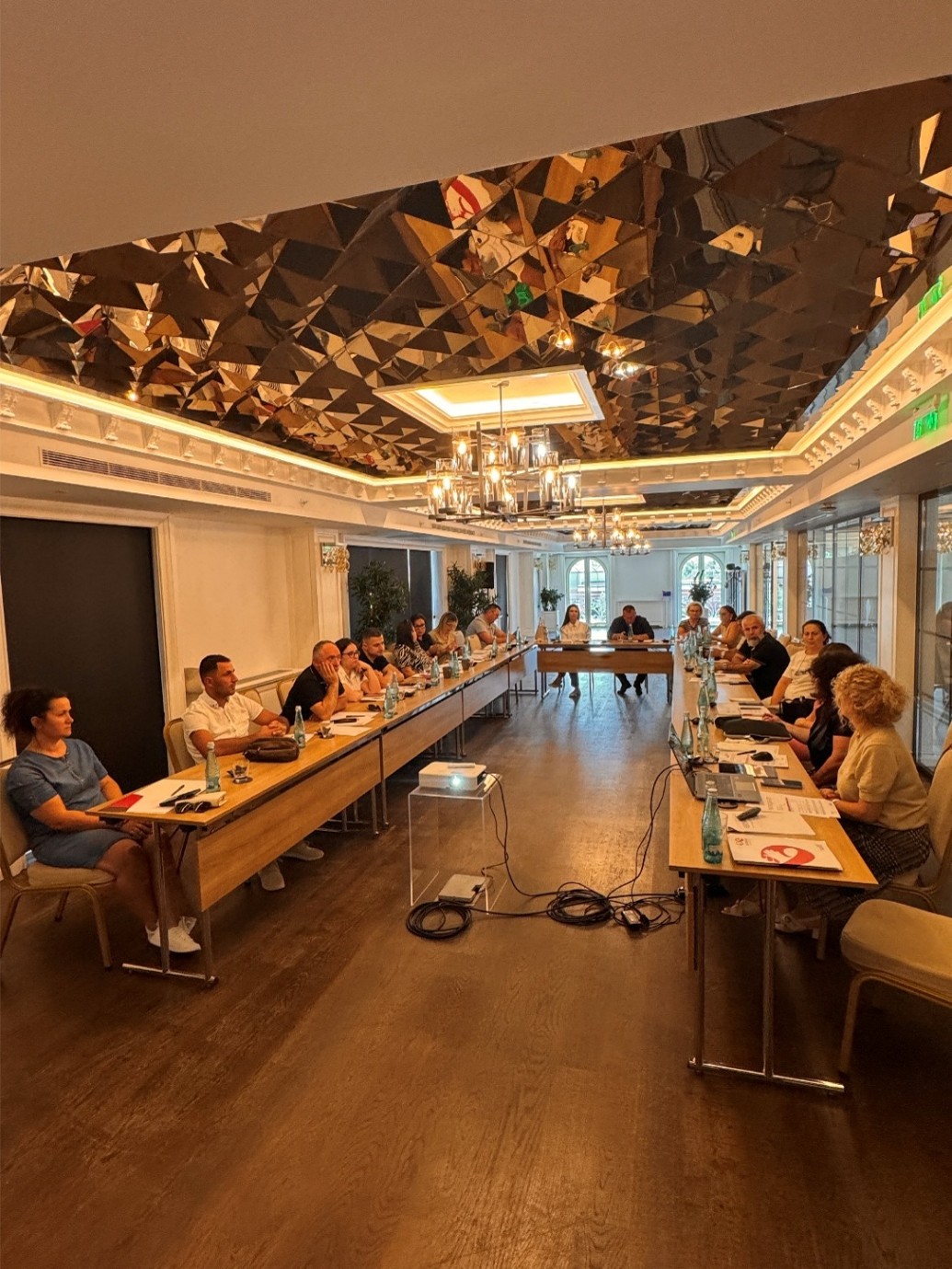
Following the success of the first workshop, participants reunited in July 2025 for Workshop 2, where they began turning their insights into practical ideas and early prototypes. With the support of mentors and design experts, they developed the tools, systems, and strategies that could reshape emergency healthcare in Albania.
A final workshop, held in September, focused on testing these ideas, refining them based on feedback, and planning how they can be implemented in the real world.
A People-Powered Future for Healthcare
What makes the SOLIDAR Innovation Labs so special is not just the innovation, it’s the collaboration. By bringing together different voices and focusing on real human experiences, the project is showing that healthcare reform doesn’t have to come from the top down. It can start with listening, empathy, and creativity.
Through the Innovation Labs, participants have come to truly understand the importance of designing healthcare with people, not just for them.
Step by step, this initiative is building a more inclusive, connected, and responsive emergency care system, one that puts people at the centre, where they belong.