SOLIDAR sets Year 3 priorities: advancing Albania’s emergency care reforms toward sustainability and digital transformation
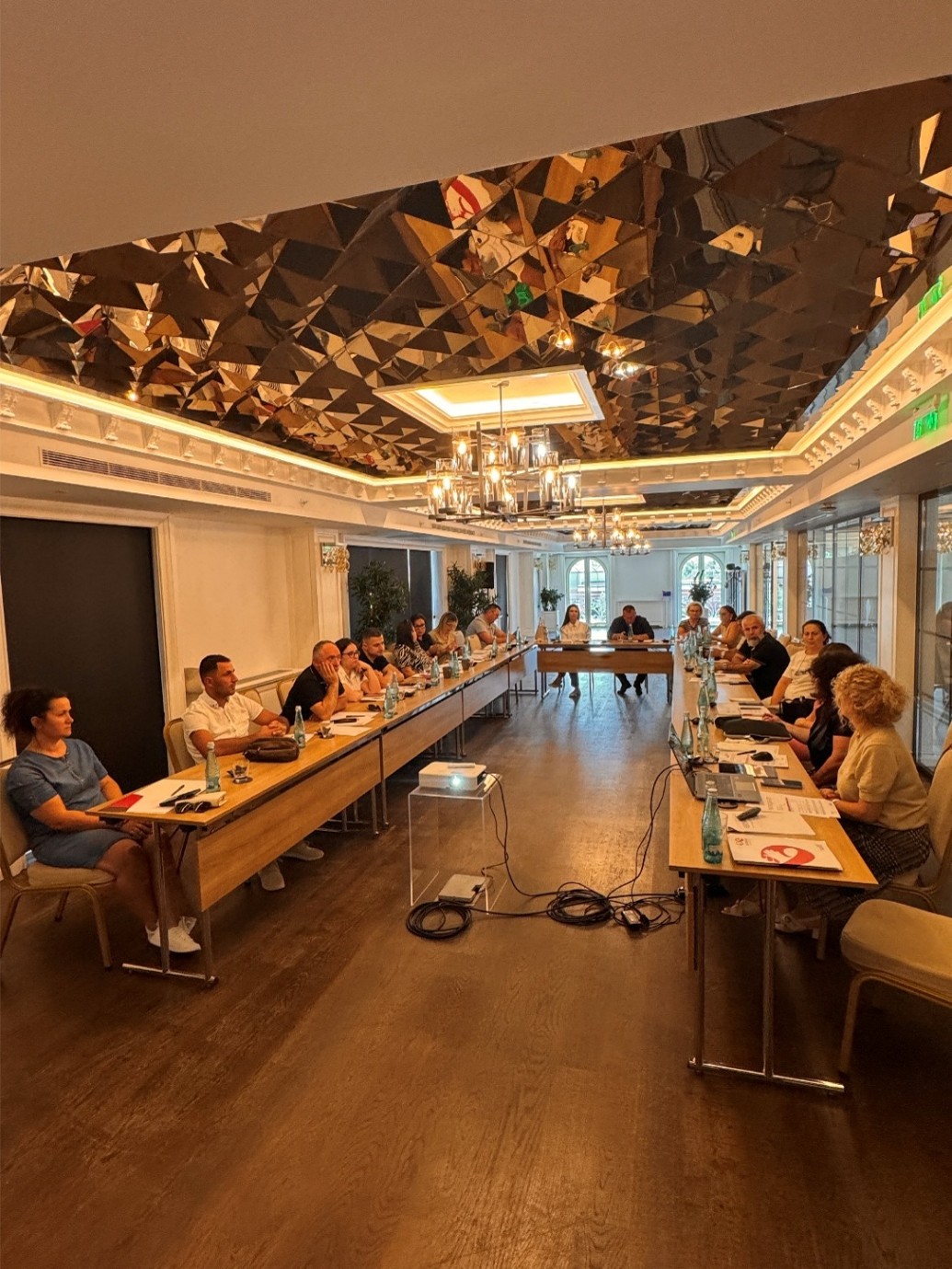
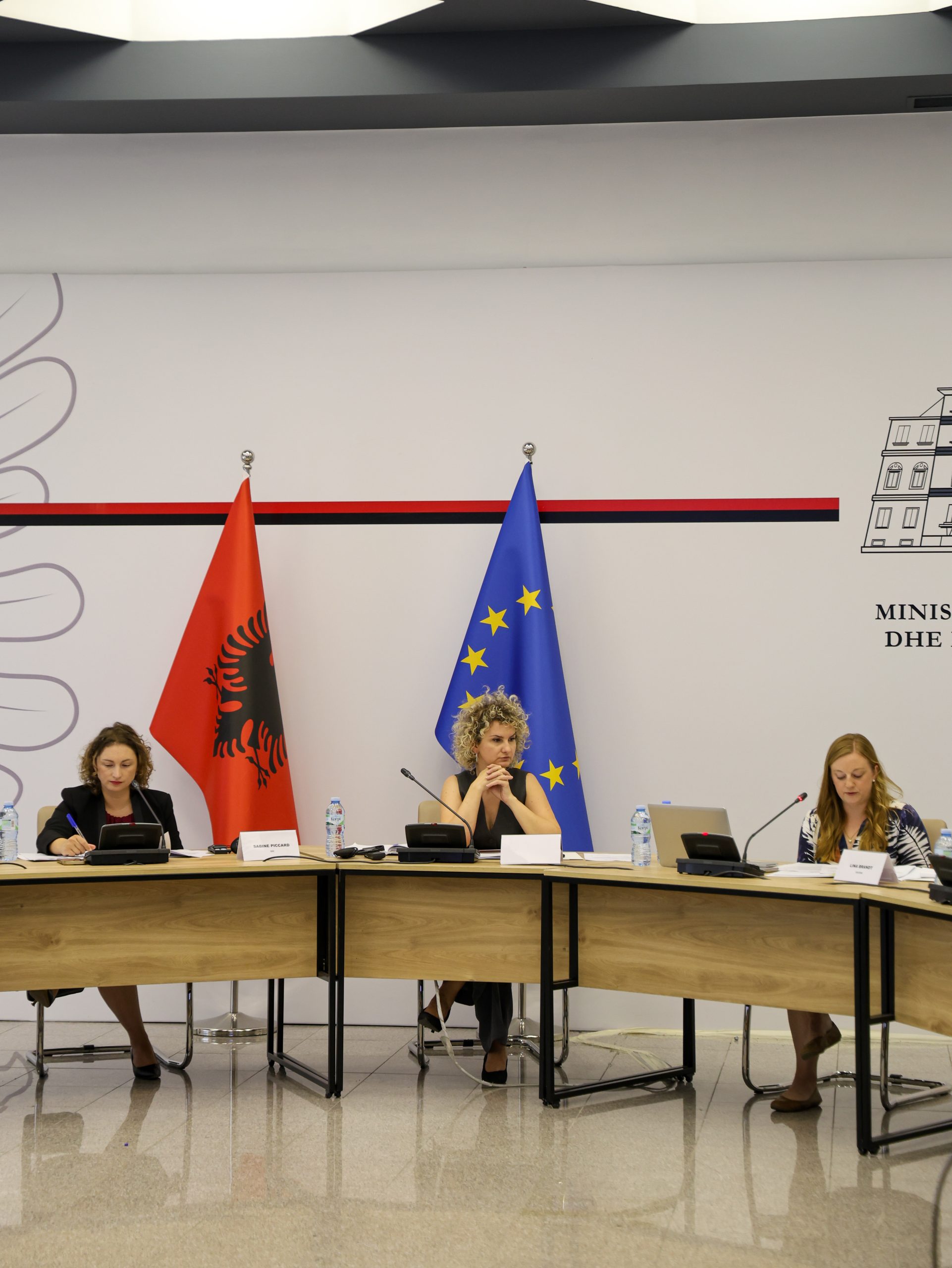
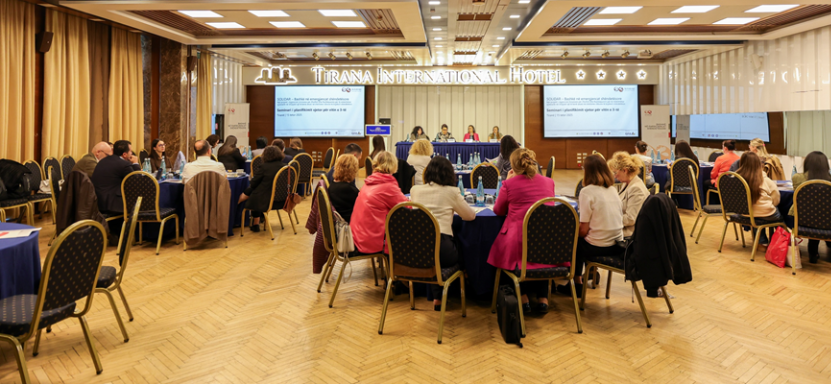
On 15 October 2025, representatives from Albania’s key health-sector institutions, civil society organisations, and partner communities convened in Tirana to define the priorities and activities for the third year of implementation of the SOLIDAR Project “Together in Health Emergencies”, a project of the Swiss Agency for Development and Cooperation (SDC) implemented by GFA Consulting Group GmbH.
Participants reviewed progress achieved during Year 2 (November 2024–October 2025) and aligned on strategic priorities for Year 3 (November 2025–October 2026). The discussion was structured around SOLIDAR’s three core outcomes: strengthening the national health emergency system, enhancing emergency medical services (EMS) at primary healthcare (PHC) level, and fostering community engagement in emergency preparedness.
Across all three outcomes, participants converged on several key priorities for Year 3: sustainability and institutionalisation of project achievements, quality assurance in emergency care, continued workforce capacity building through Continuous Medical Education (CME) and a new online learning platform. Equally emphasised was the need to deepen community involvement and public awareness, ensuring that resilience-building reaches Albania’s most vulnerable populations.
Specific Year 3 commitments include continued support for the Action Plan for Primary Health Care and the Action Plan on CME, advancing the development of Emergency Response Plans by healthcare facilities, completing certified Immediate Life Support (ILS) and International Trauma Life Support (ITLS) training cycles, launching the national Learning Management
System for emergency care, and expanding the work of Community Resilience Networks in collaboration with Together for Life (TFL).
By bringing together the Ministry of Health and Social Protection, the Health Care Service Operator, the Institute of Public Health, the National Medical Emergency Centre, the Health and Social Care Quality Assurance Agency, the National Health Insurance Fund, municipal partners, civil society organisations, and the Embassy of Switzerland, the workshop reaffirmed the broad institutional ownership that underpins SOLIDAR’s work. The Year 3 plan that emerged sets a clear path toward more sustainable, equitable, and digitally enabled emergency care for the Albanian population, with particular attention to communities historically underserved by emergency response systems.